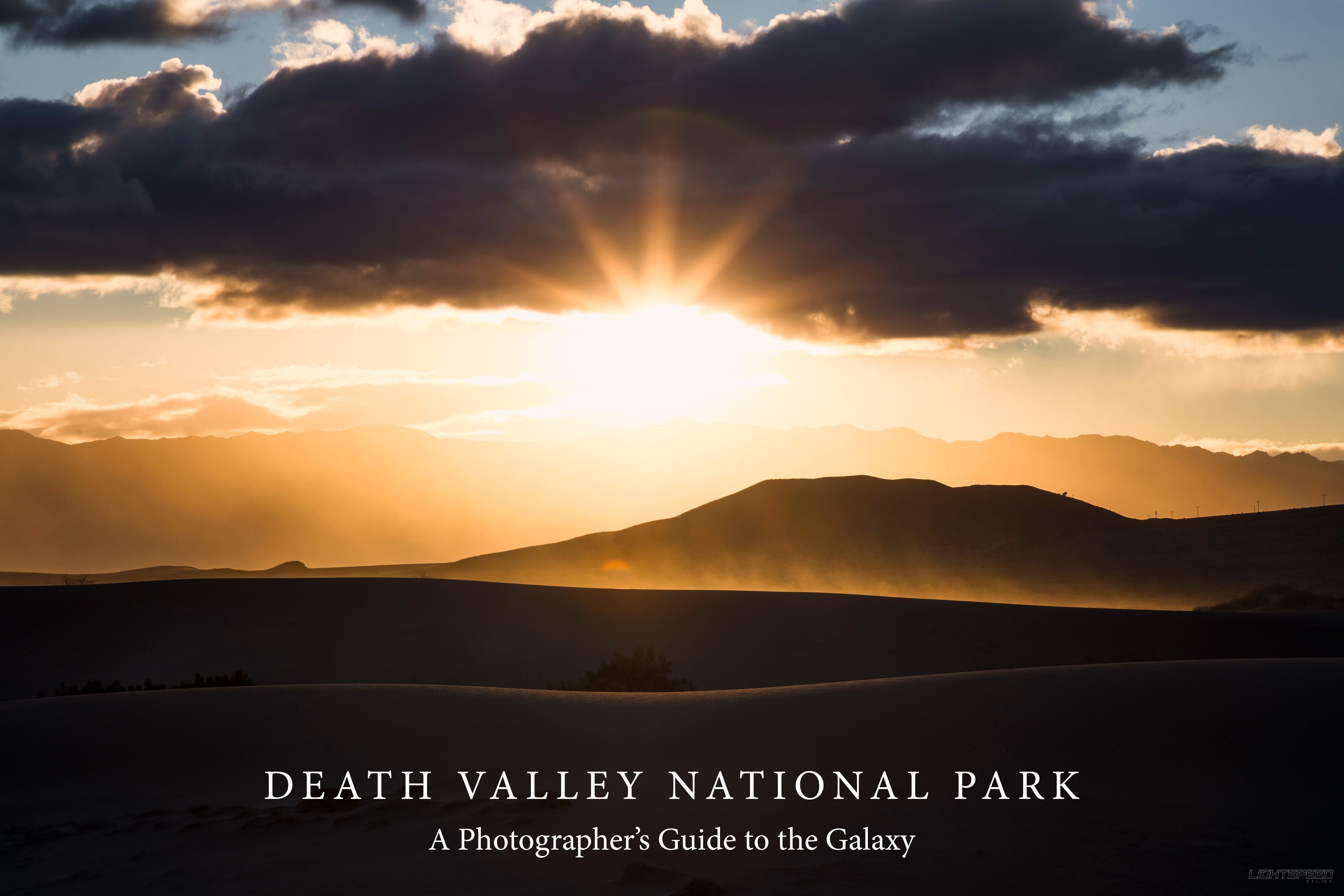
Death Valley is one of the strangest places I’ve ever photographed. It’s truly one of a kind.
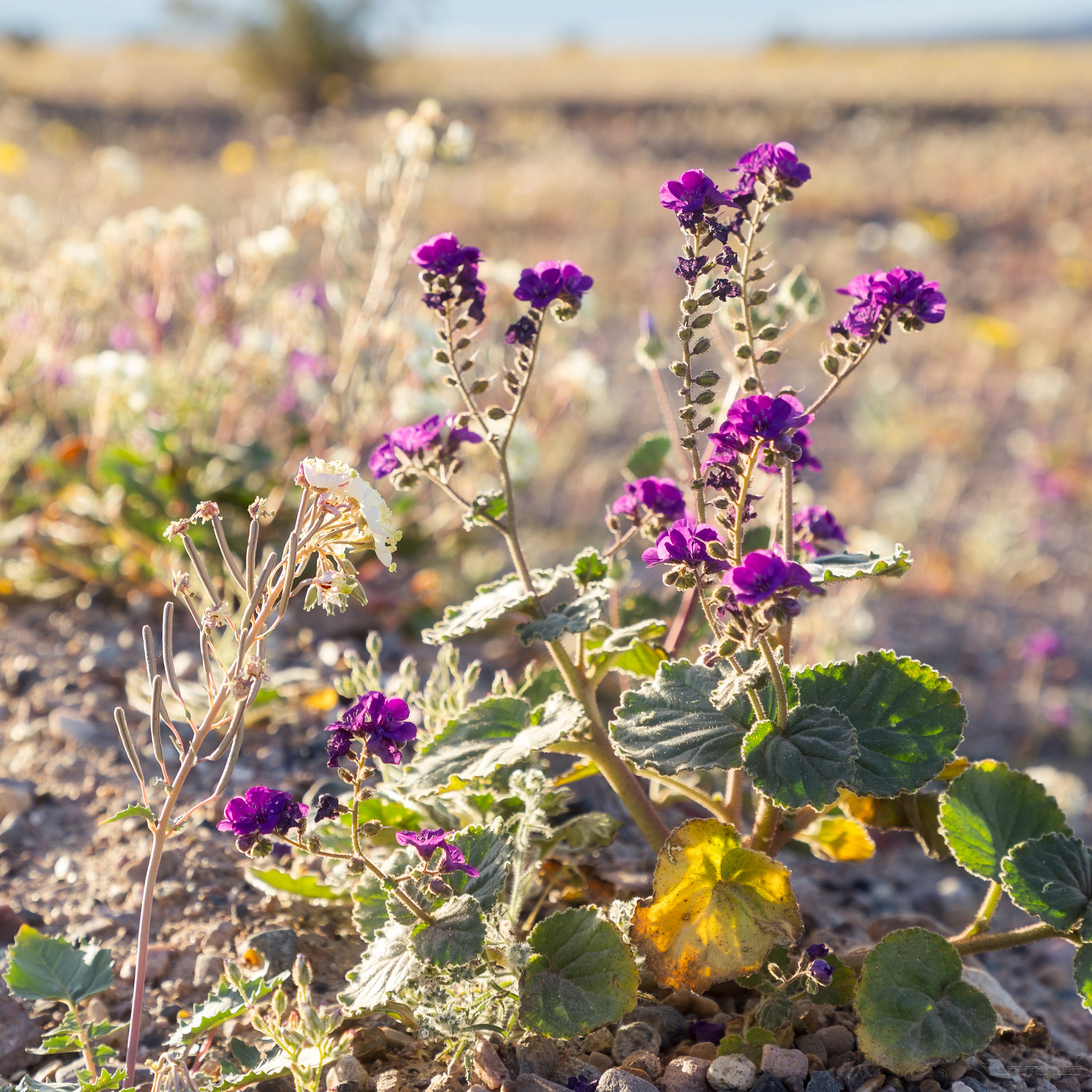
Most people think of it as barren, dry, and inhospitable. That’s all true. But I drove through during a storm and saw something else entirely. Water sitting in Lake Manly. 50 mph winds. A super bloom. Light breaking through clouds over salt flats and dunes. Sand dancing in the wind. A place that felt brutal one minute and completely alive the next.
We were there twice in February: the 16th through the 18th and again on the 27th. The first trip started with a full storm. It actually rained, which almost never happens, and both the 16th and 17th had sustained 50 mph winds. The wind is relentless out there, but it does something beautiful to the dunes. It clears every footprint and sculpts the sand into these clean, flowing ridges that are almost impossible to find any other way. When we passed back through on the 27th, we caught sunrise and it was already heating up fast. Ninety degrees by mid-morning, no wind, and the dunes had a week’s worth of footprints on them. Same park. Completely different world.
Death Valley is less forgiving than Yosemite and a lot harder to photograph well. The light gets harsh fast, the scale is difficult, and some of the best moments are almost impossible to translate with a camera. There were so many times where Sage and I just looked at each other and said, “This one is for your eyes only.” So go with that expectation. Shoot what you can, but also just let yourself be there.
When it does line up, storm light on the salt flats, clean dune ridges at sunrise, color in the hills after rain, it is extraordinary. And I have not even scratched the surface. Death Valley has some of the darkest skies in the country and I never got my night shoot. The clouds had other plans. That alone is reason enough to go back.
This guide covers how I’d approach Death Valley as a photographer, what I’d prioritize, and what I already want to go back for.
Before we get into it, here’s what it looked like.
Quick Reference | The Full Story below
Quick Reference
Time of Year
Winter. December through February.
Mid-February is potentially the sweet spot if conditions line up. I caught a storm, the super bloom, 50 mph winds, and water in Lake Manly. It was extraordinary.
Summer is brutally hot, 120 degrees plus. It’s the hottest place on earth. Only go in summer if you are specifically there for night sky photography and you have a solid plan for the heat.
Timing: Best Light
Mesquite Flat Sand Dunes: sunrise
Golden Canyon: just after sunrise
Zabriskie Point: golden hour / sunset
Badwater Basin / Lake Manly: cloud drama and afterglow
Artist’s Drive / Artist’s Palette: late afternoon. Next level right after rain.
Light Reality
You are in the desert. The light is harsh and it moves fast.
About half an hour after sunrise it is already getting punishing.
Post-sunset afterglow is your other window.
Unless there are clouds. Clouds extend everything and turn the whole place dramatic and alive.
Gear to Bring
Wide angle (16 to 35mm): dunes, salt flats, big scenes
24–105mm: versatile workhorse for almost everything. This did most of the work.
Longer lens: worth bringing for dune compression and abstract layers
Tripod: I really didn’t use one. I’d skip it unless you are doing night photography.
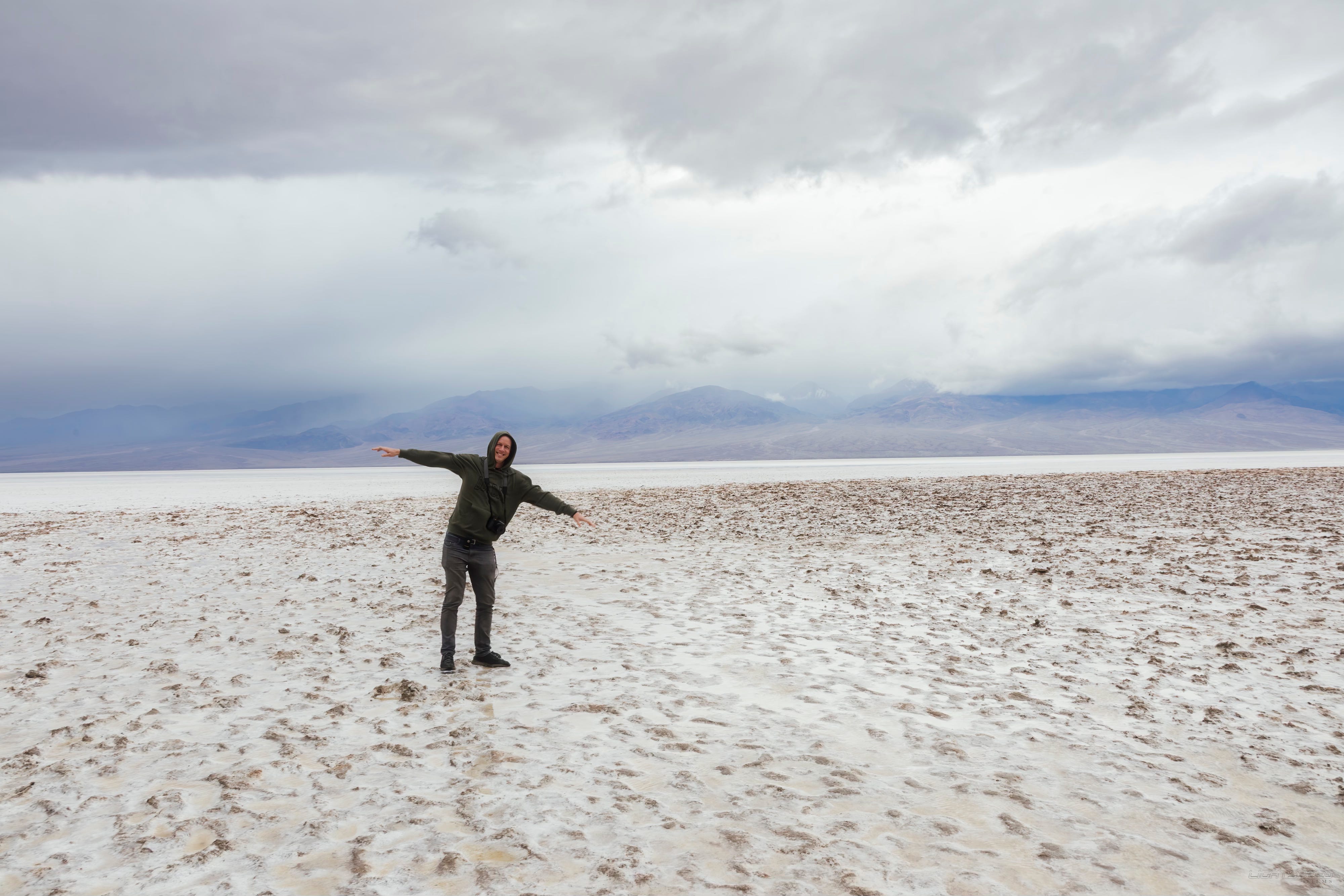
Having a human in frames helps viewers actually understand the scale
What to Wear / Pack
Merino wool neck gaiter. We bought them on the trip and they were a game changer for wind and sun.
Hat, sunglasses, and a lot of sunscreen.
More water than you think you need.
Timing: Avoid Crowds
Dunes: go at sunrise. Golden hour is packed even on weekdays.
Golden Canyon: go early. I went at 10 a.m. on a Tuesday and it was crowded with harsh light.
Zabriskie Point: it will always have people. Be patient.
Artist’s Drive: a 9-mile scenic drive. Hike away from the main pullout at Artist’s Palette and find your own spot.
Badwater Basin / Lake Manly: The parking lot gets busy during the day. Early morning and evening you will have it mostly to yourself. You can also skip the lot entirely and pull off along the side of the road to walk further down the salt flats.
The Full Story
When to Go
Winter is the time. December through February. Late February gives you the best shot at cooler temperatures, storm clouds, and potential rain, which changes everything out there. You are in the desert, so the light is harsh and it moves fast. About half an hour after sunrise it is already getting really harsh. Your real windows are that first half hour at sunrise and the afterglow after sunset. Unless there are clouds, and then the light can extend and the whole scene turns dramatic and alive. Clouds in Death Valley are everything.
Summer is dangerous. 120 degrees plus dangerous. Cars breakdown and so do people. Only go in summer if you are specifically there for night sky photography and you have a solid plan for the heat.
One thing worth knowing before you go: the park is enormous. From one end to the other is close to an hour of driving. At 3.4 million acres, it is the largest national park in the U.S. outside Alaska. Factor that into your planning.
A few practical things before you head in:
Gas: Fill up before you enter the park. Gas is available inside at Stovepipe Wells and Furnace Creek but it is expensive.
EV: I did not see any public EV chargers in the park. Some of the hotels apparently have Level 2 options, but I would not count on availability.
Cell service: Essentially nonexistent inside the park. Download your offline maps before you leave.
What to Wear
This might sound minor, but bring a merino wool neck gaiter. We bought them on the trip after dealing with 50 mph winds and relentless sun, and they were a game changer. Great for wind protection, great for sun coverage, and merino does not make you feel like you are suffocating in the heat. Bring a hat, sunglasses, and a lot of sunscreen. There is nowhere to hide out there.
Mesquite Flat Sand Dunes
Best time: Sunrise
Sunrise is the move here.
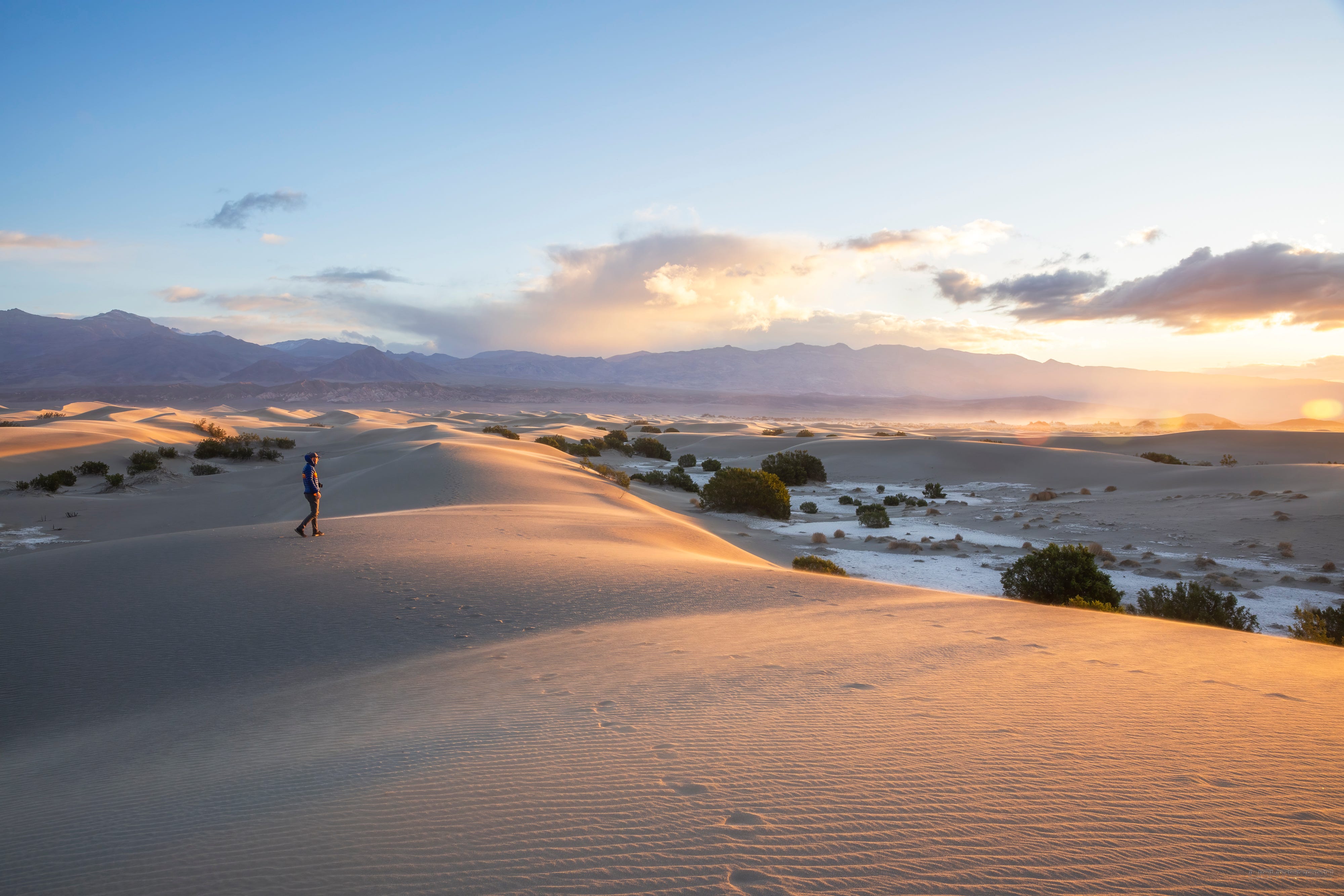
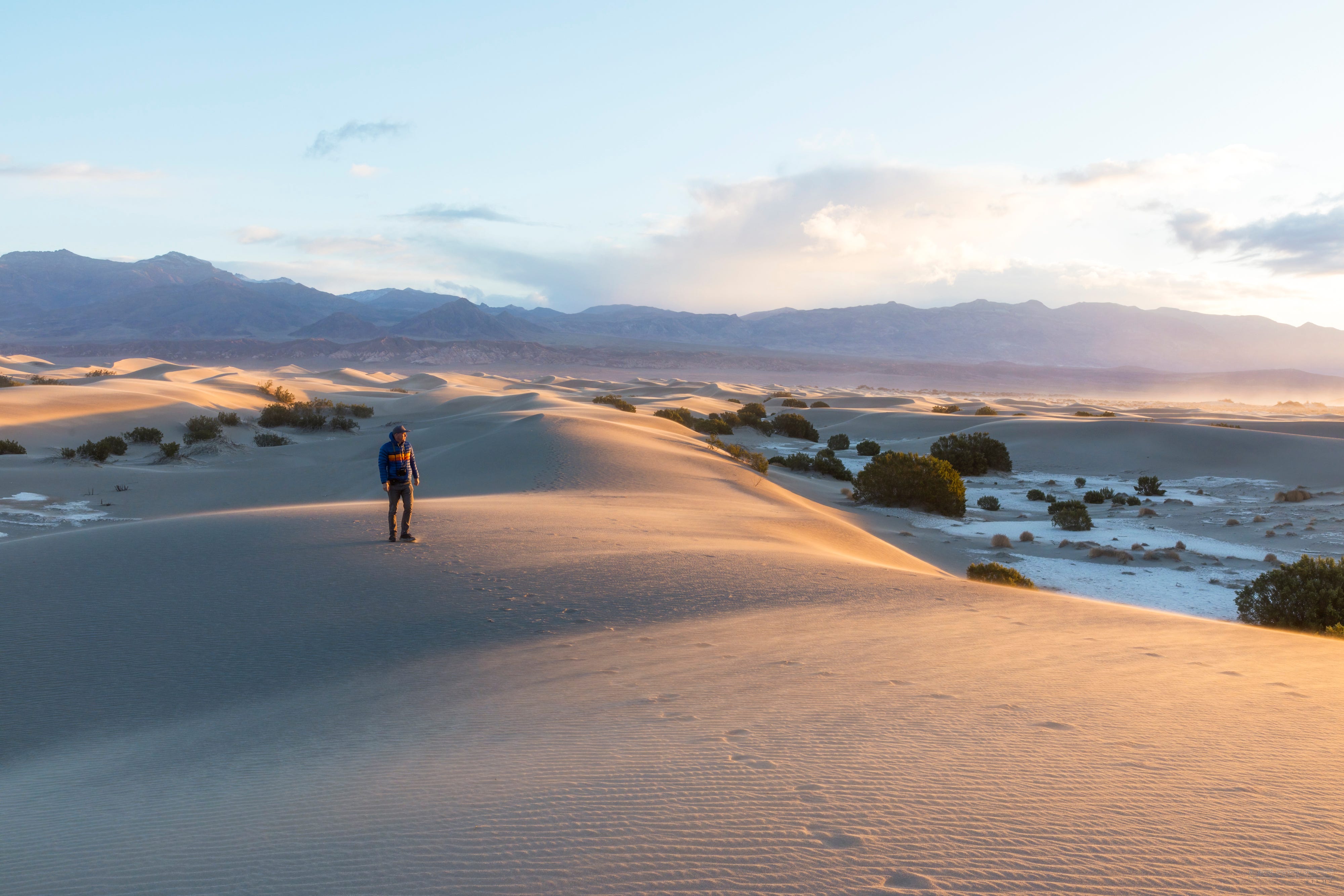
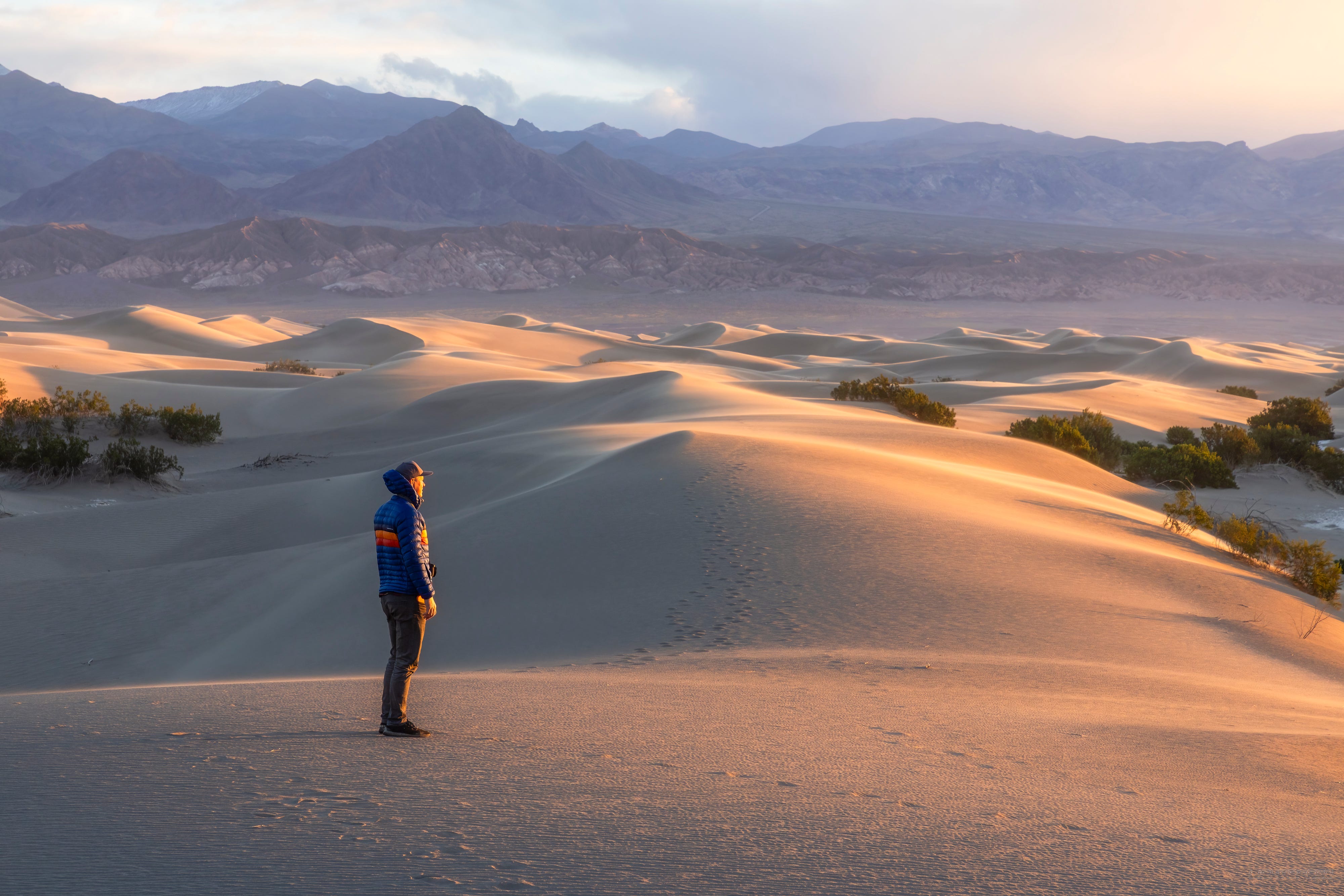
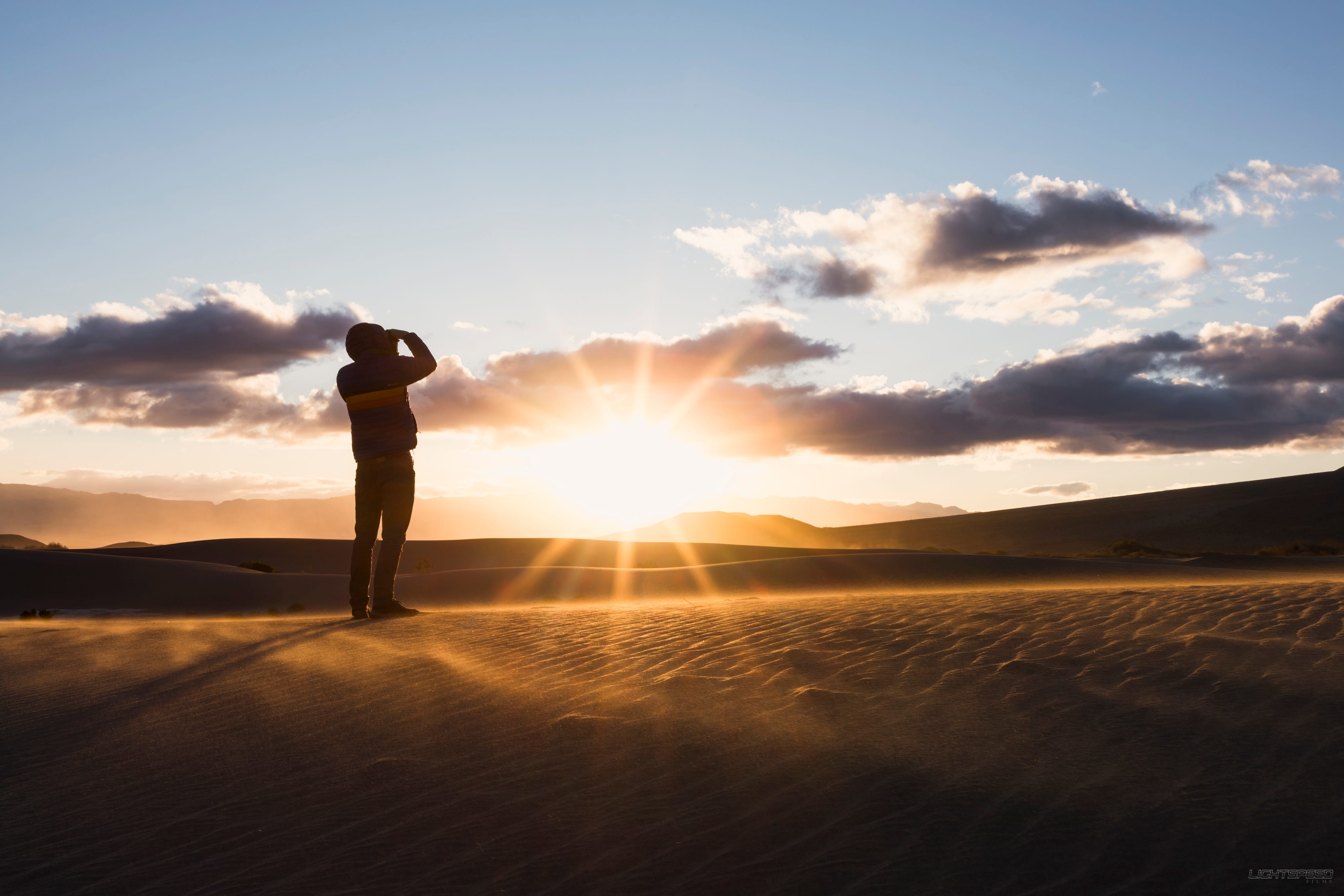
If you go at golden hour or sunset, the number of people on those dunes is insane, even during the week. Sunrise gives you softer light, far fewer people, and you are not fighting footprints everywhere. Wind is actually your friend on the dunes. It clears every footprint and sculpts the sand into these clean, flowing ridges that are really hard to replicate any other way. A few clouds in the sky makes it even better.
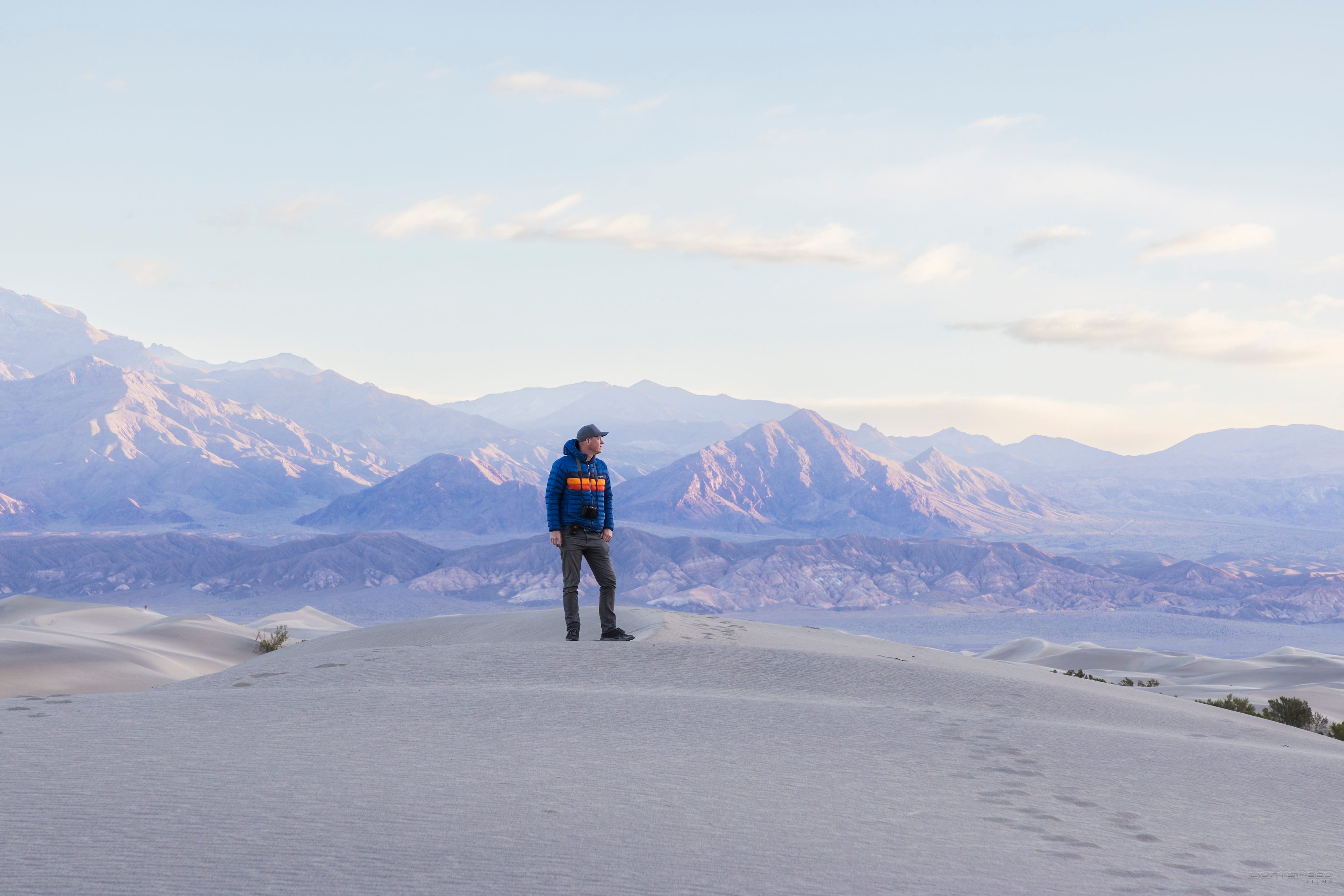
I shot this with my 24-105mm and it looked great. Next time I am bringing a longer lens for compression shots and abstract dune layers. It also helps to put a person in some frames so viewers actually understand the scale of what they are looking at.
Gear
Wide (16–35mm) for the full dune scene
24-105mm for variety shots
Longer lens for compression and abstract layer
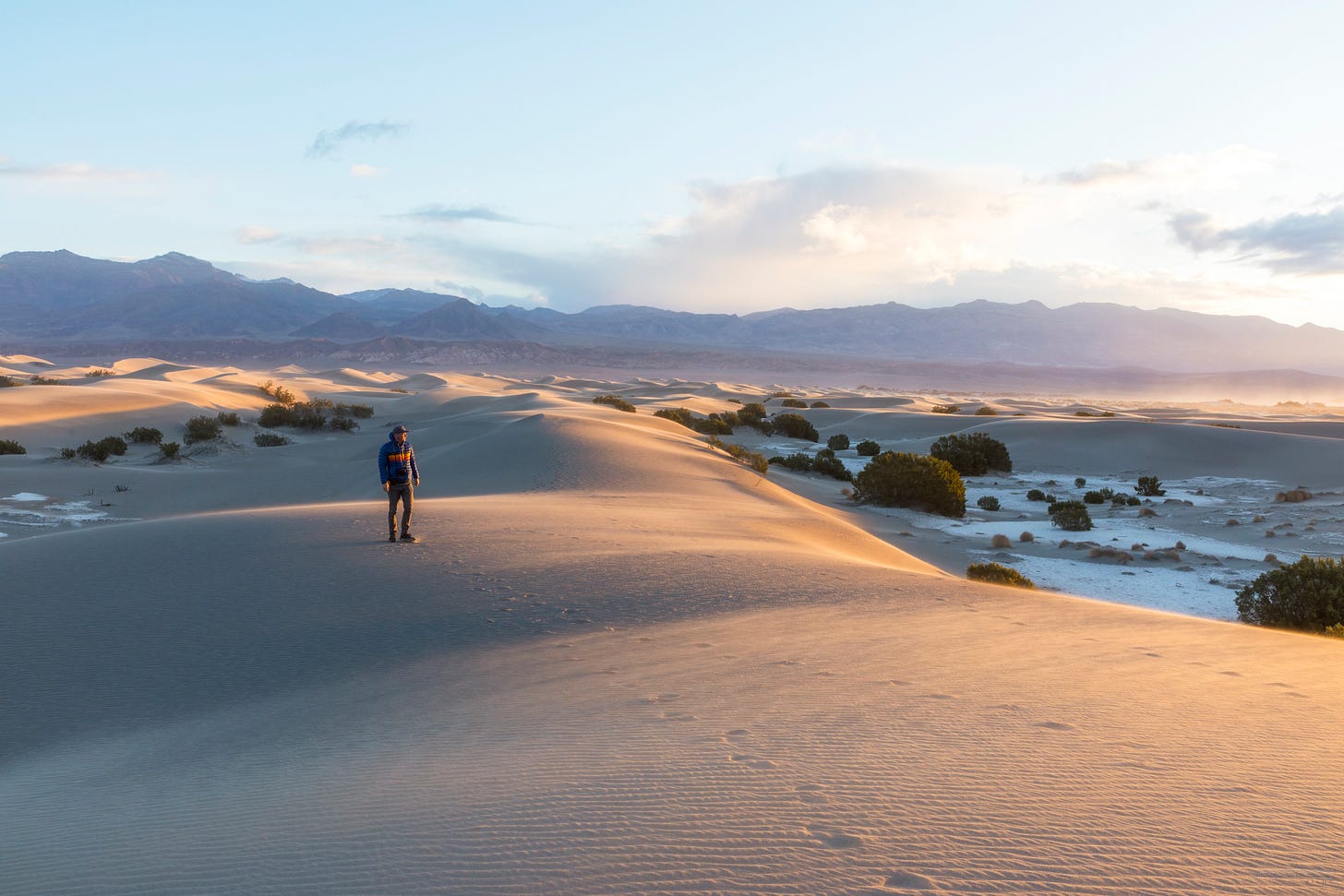
Mesquite Flat Sand Dunes. February. Photo by Erin Malone/Lightspeed Films. 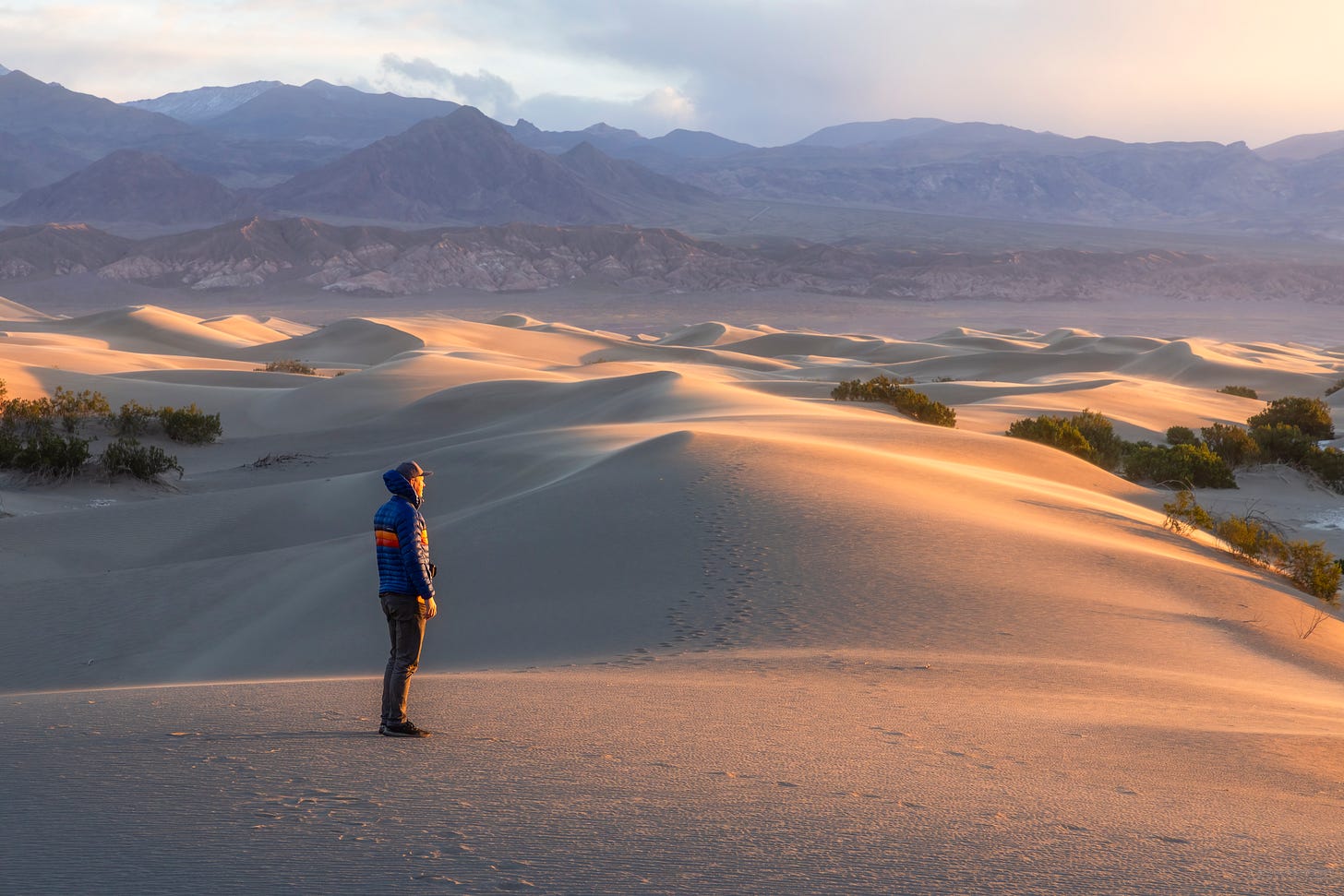
Mesquite Flat Sand Dunes. February. Photo by Erin Malone/Lightspeed Films. 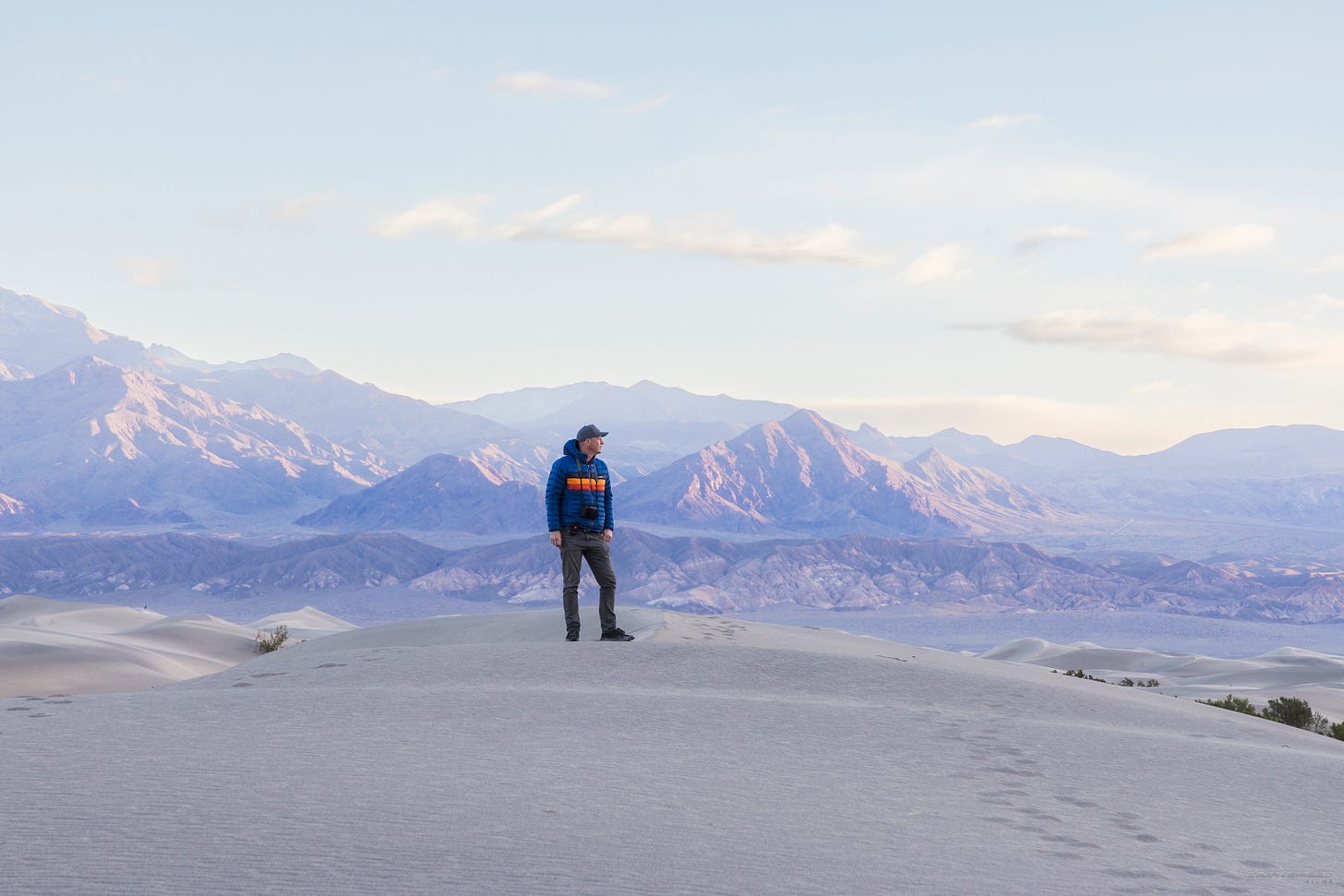
Mesquite Flat Sand Dunes. February. Photo by Erin Malone/Lightspeed Films. 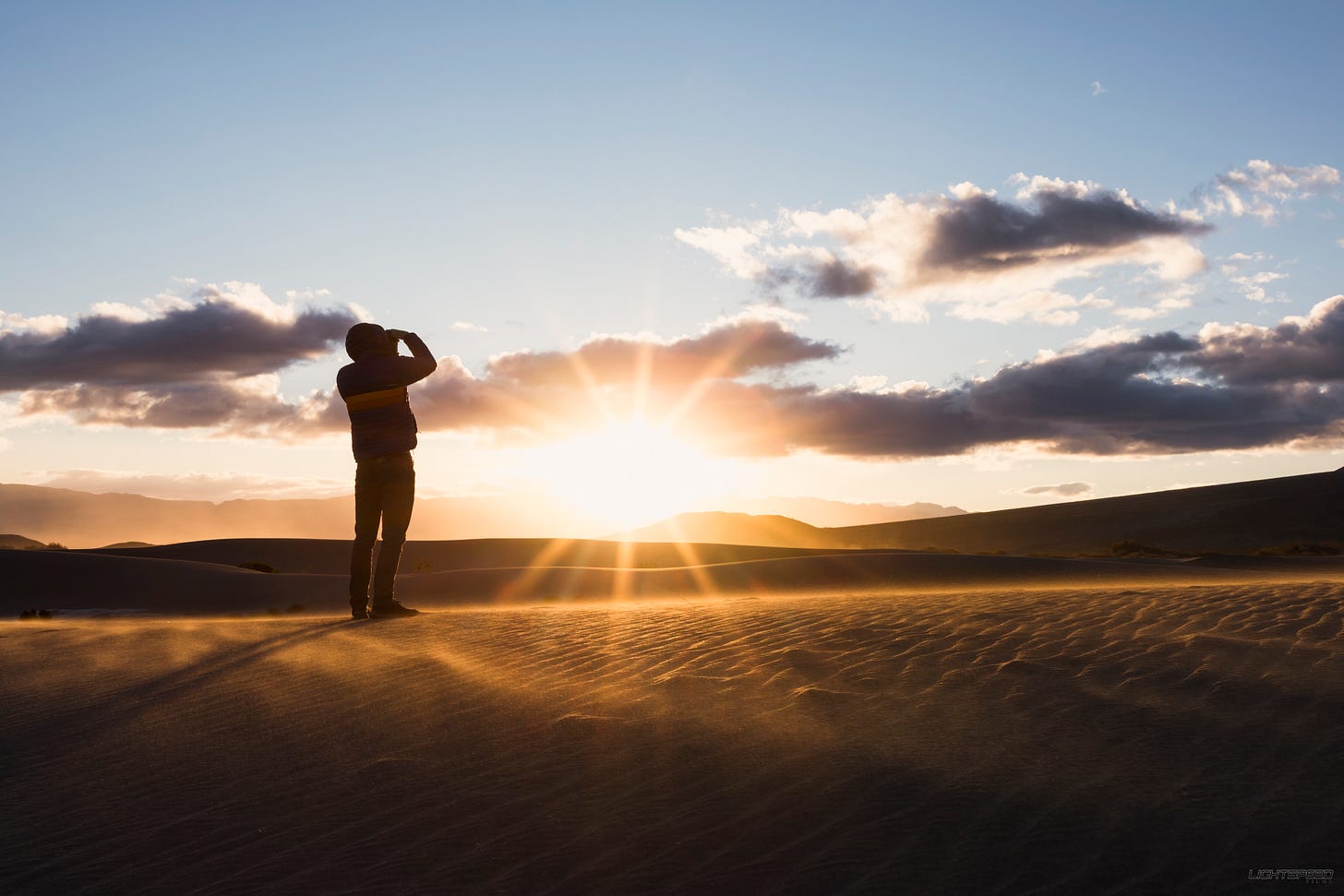
Mesquite Flat Sand Dunes. February. Photo by Erin Malone/Lightspeed Films.
The dunes at night are on my list for Part 2. Under a full moon or a clear sky with no light pollution, this place has to be something else. I did not get it on this trip, but I am already thinking about it.
Golden Canyon
Best time: Just after sunrise
You meander through these epic canyon formations and wonder what planet you’re on. I went at 10 a.m. on a Tuesday and it was crowded with harsh, flat light. If I had another day I would go just after sunrise. The formations need soft directional light to show their depth and texture. Mid-morning is not it.
Gear
24–105mm for flexibility through the canyon
Wide for sections that open up
Watch Golden Canyon on Instagram:
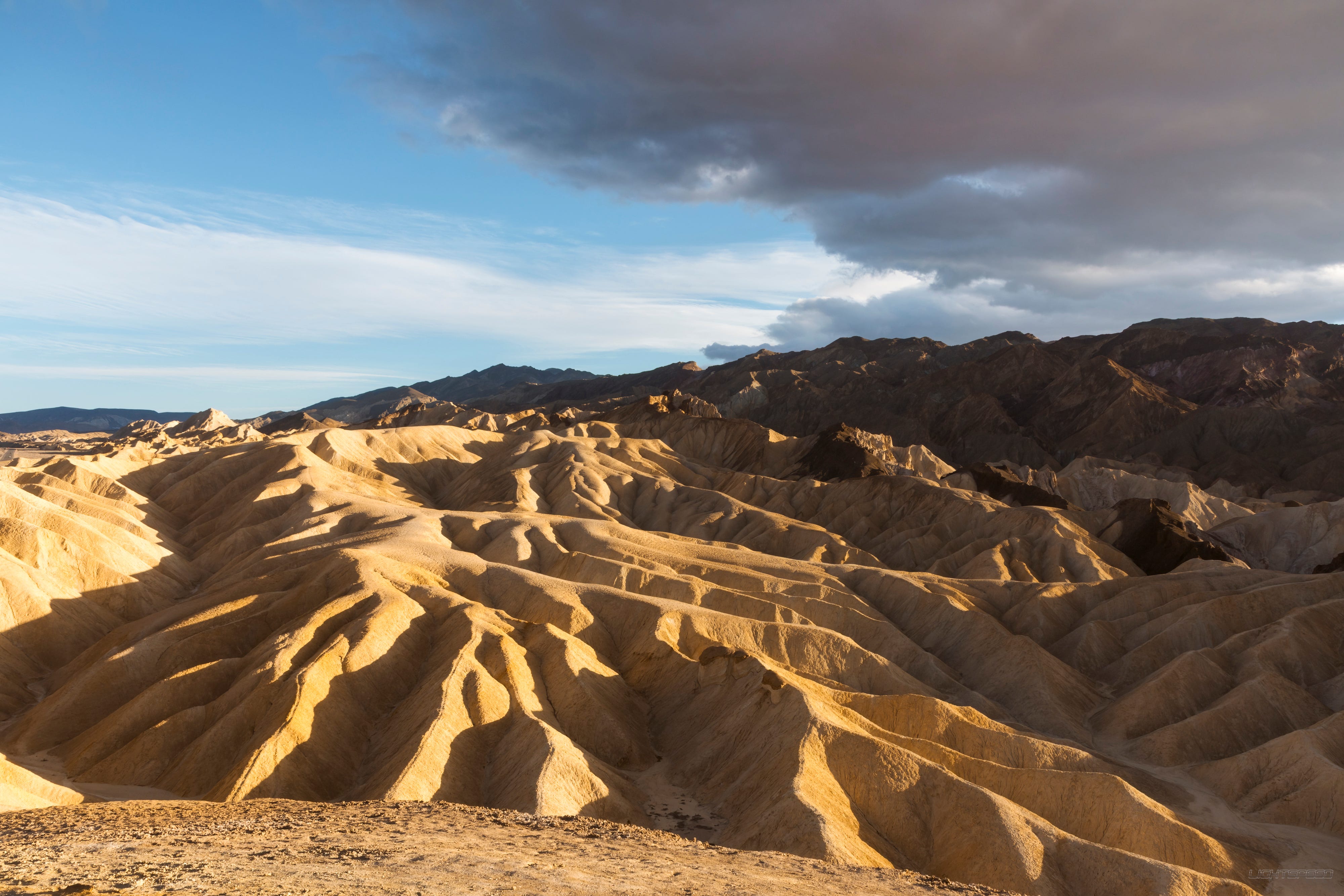
Zabriskie Point
Best time: Golden hour / sunset
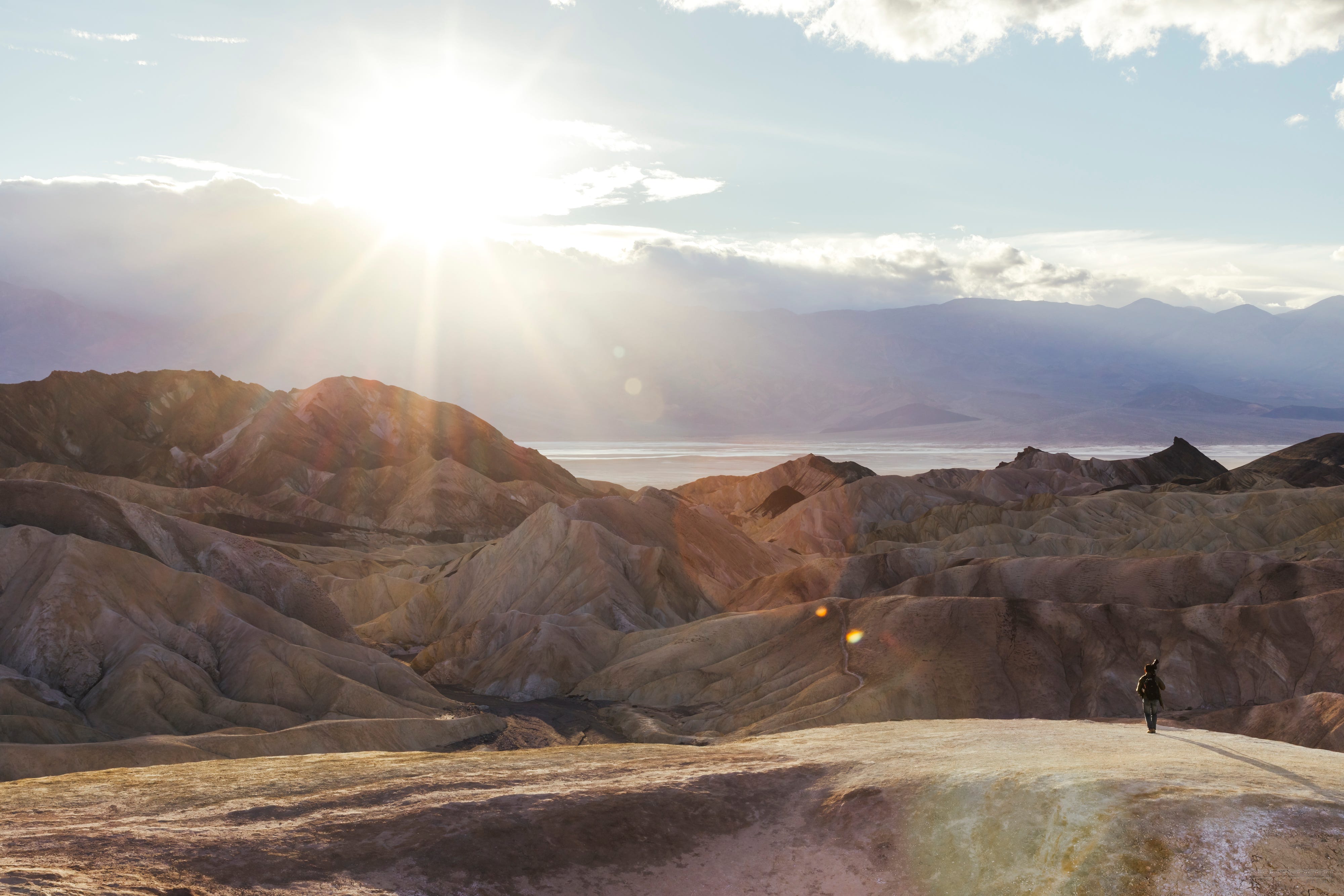
Short walk up a hill and you have this wild overlook of the badlands and the surrounding mountain formations. It’s one of the more dramatic viewpoints in the park. Located right near Furnace Creek, so it is easy to work into your day without a lot of extra driving. There will always be people. Photographers especially tend to walk right past the main overlook straight into your frame. Plan for it and be patient. There are a lot of shot options here and a lot of textures.
Gear
Wide (16–35mm) for the full badlands view
24-105, 70-200 to isolate ridges and shadow detail
Tripod optional
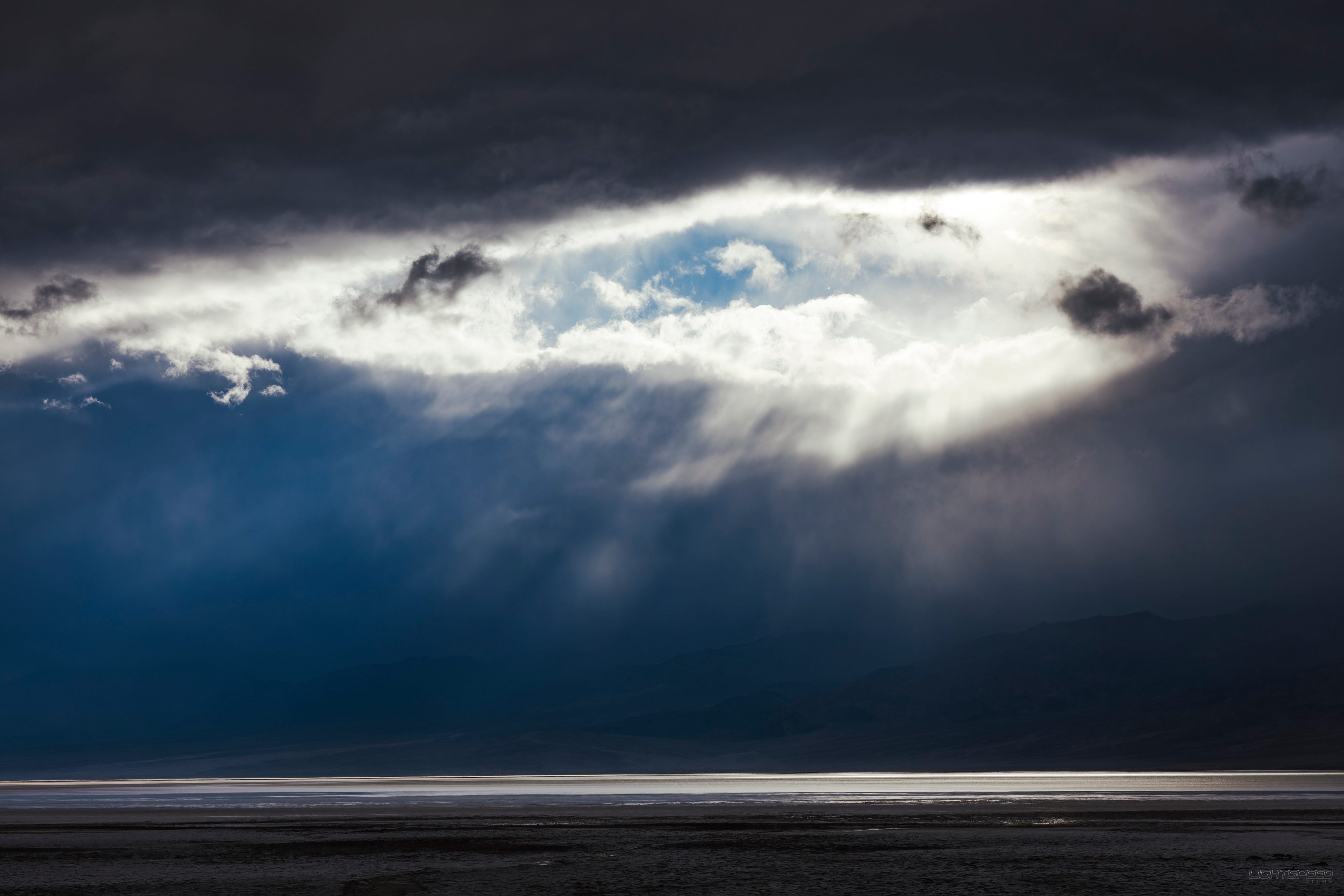
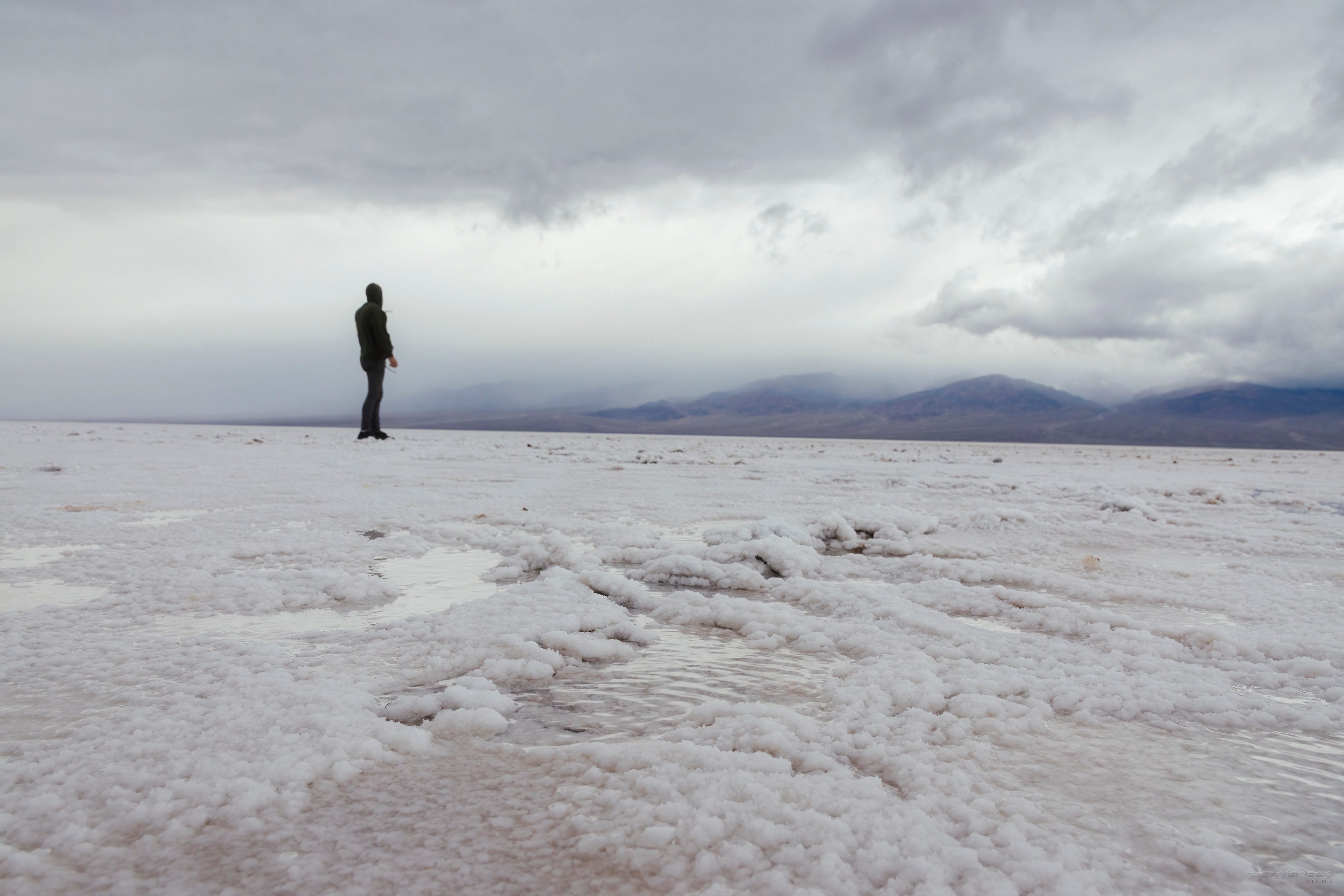
Badwater Basin and Lake Manly
Best time: Cloud drama and afterglow
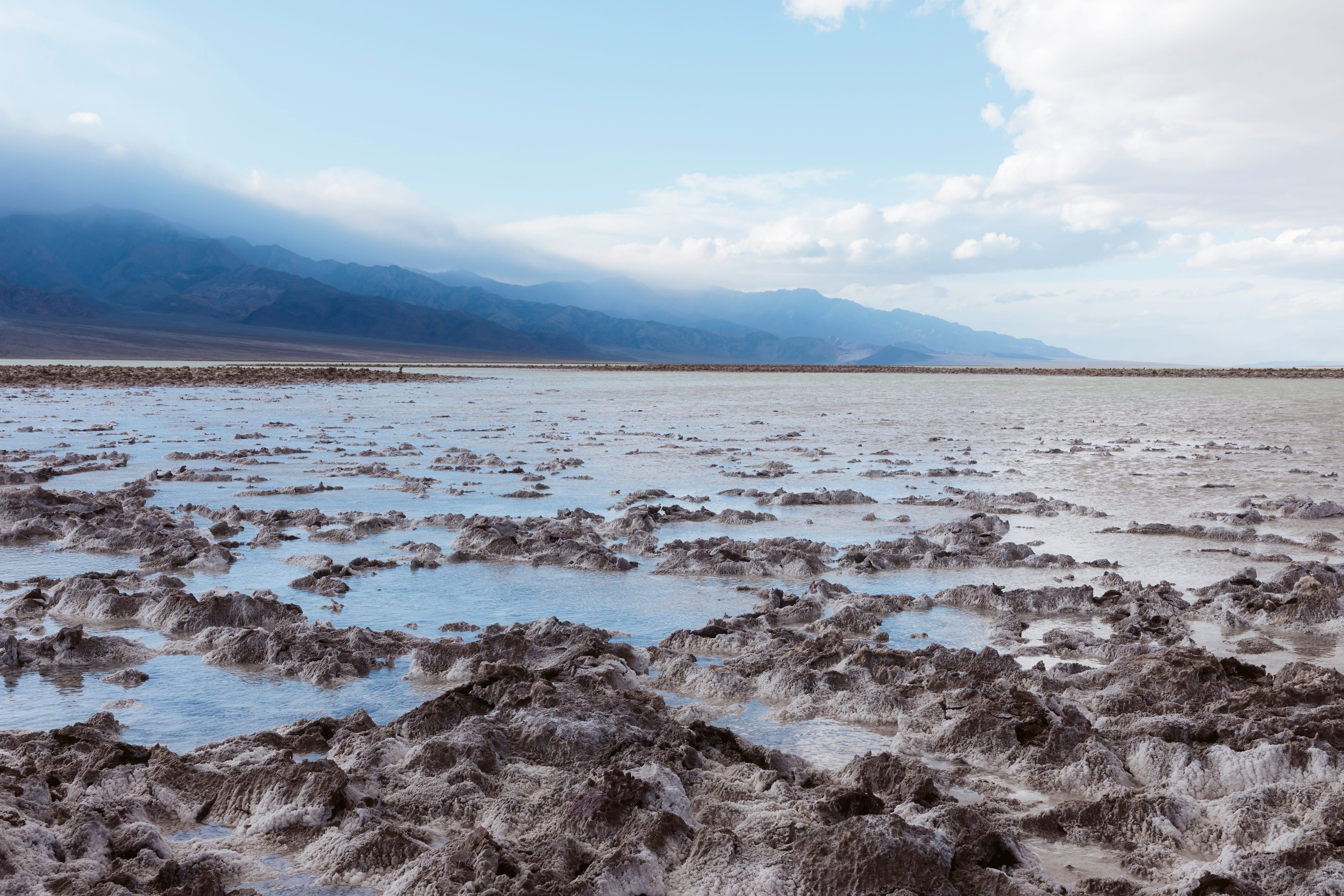
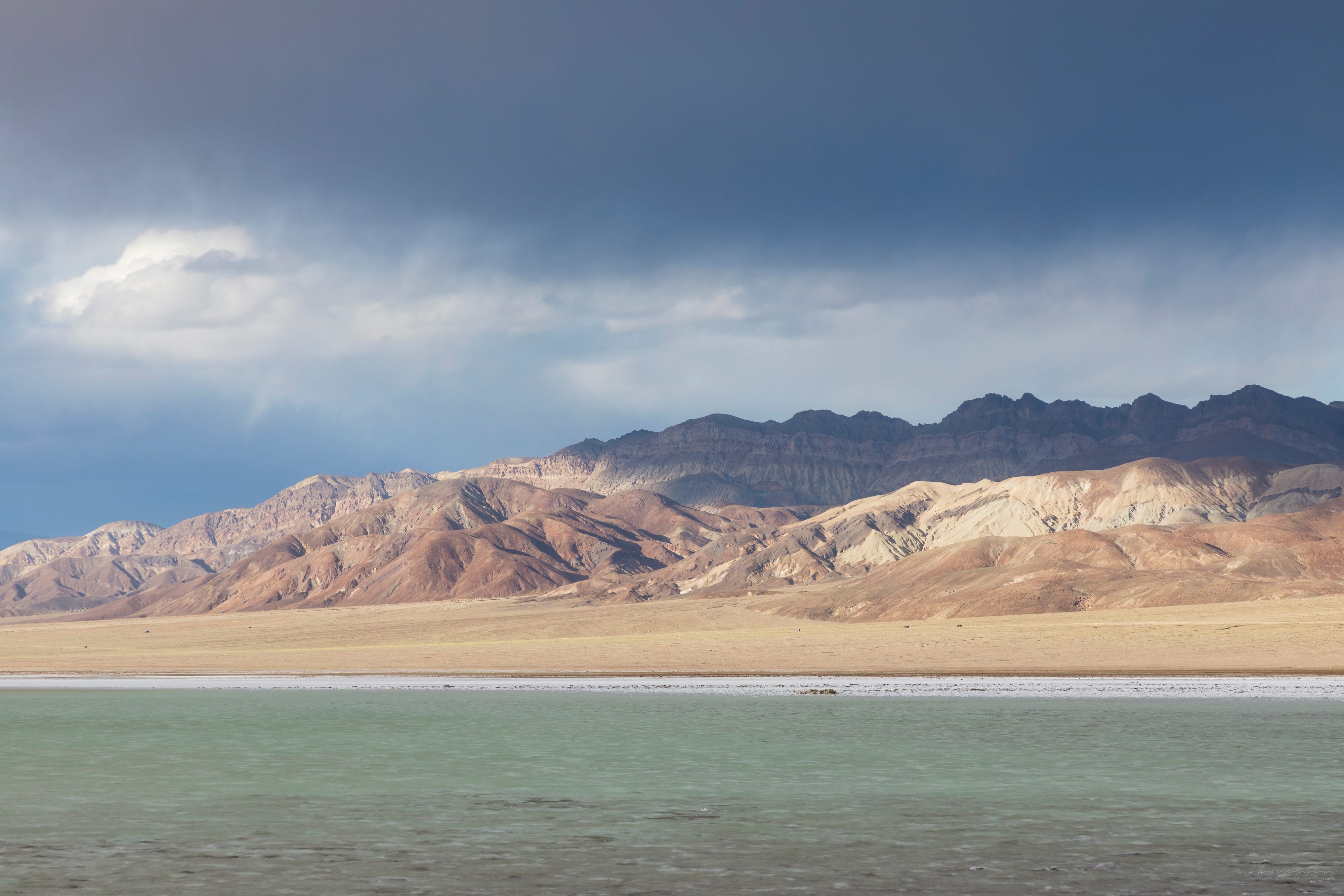
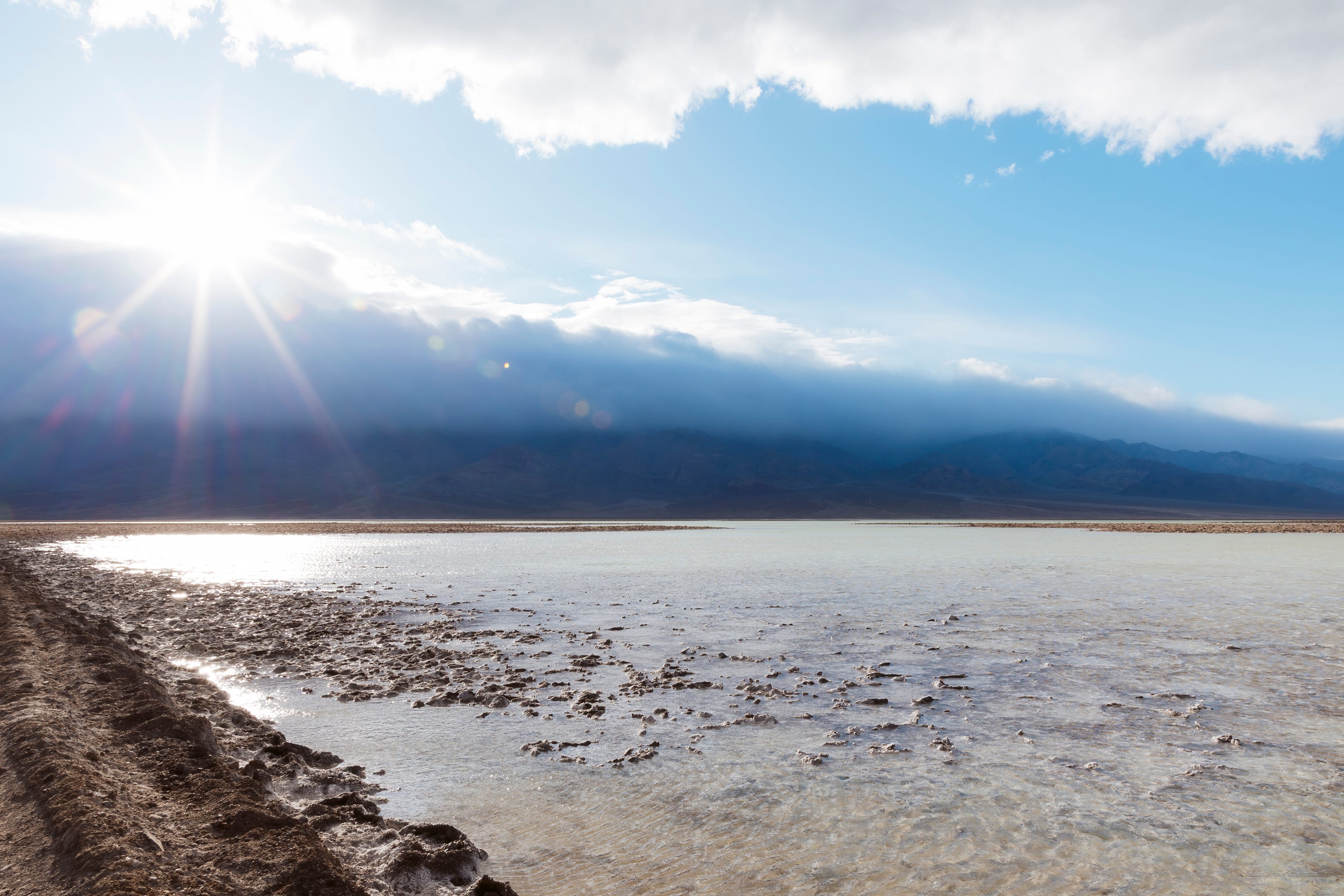
This is a must. The salt flats and rock formations are incredible. You can park along the road and walk out to the flats, or there is a small parking lot with a short walk to the basin/Lake Manly.
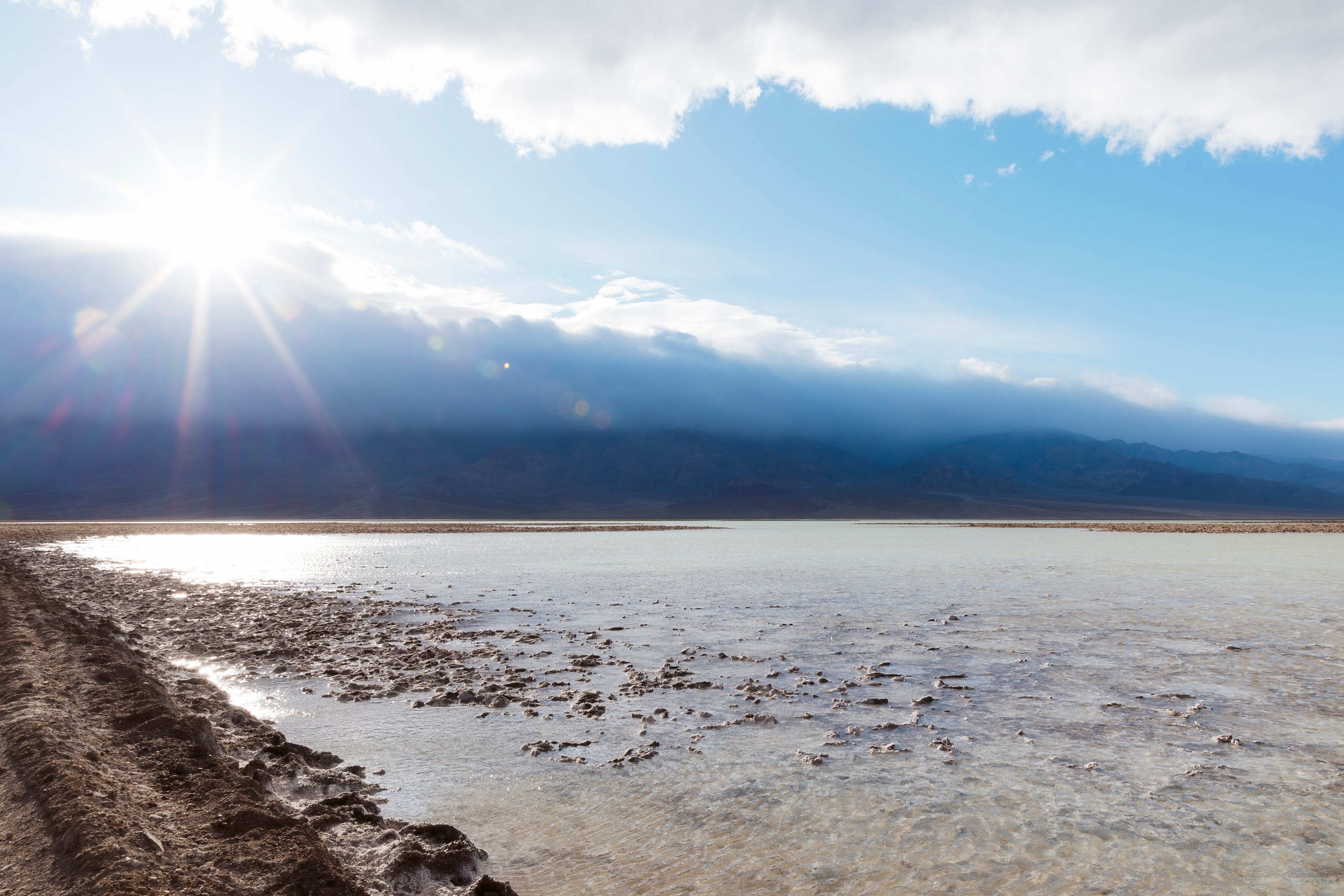
When I was there on the first day, Lake Manly had water in it. Lake Manly is a temporary lake that appears after significant rain. It is not always there, but it had just refilled and it was wild to see open water sitting out on the salt flats. The whole scene felt alive in a way that is hard to describe.
Keep in mind you are in a valley, so you are not going to watch the sun drop from here. But with clouds you can get real afterglow color. The storm clouds on my first day gave me some of the moodiest shots of the entire trip.
I’d also recommend doing some night photography here, especially if there is water. I’ll hopefully be back to capture this.
Gear
Wide (16–35mm) for the salt flat expanse
24–105mm for details in the formations
Fast wide primes for night photography
Tripod for afterglow and long exposures
Artist’s Drive and Artists Palette
Best time: Late afternoon. Next level right after rain.
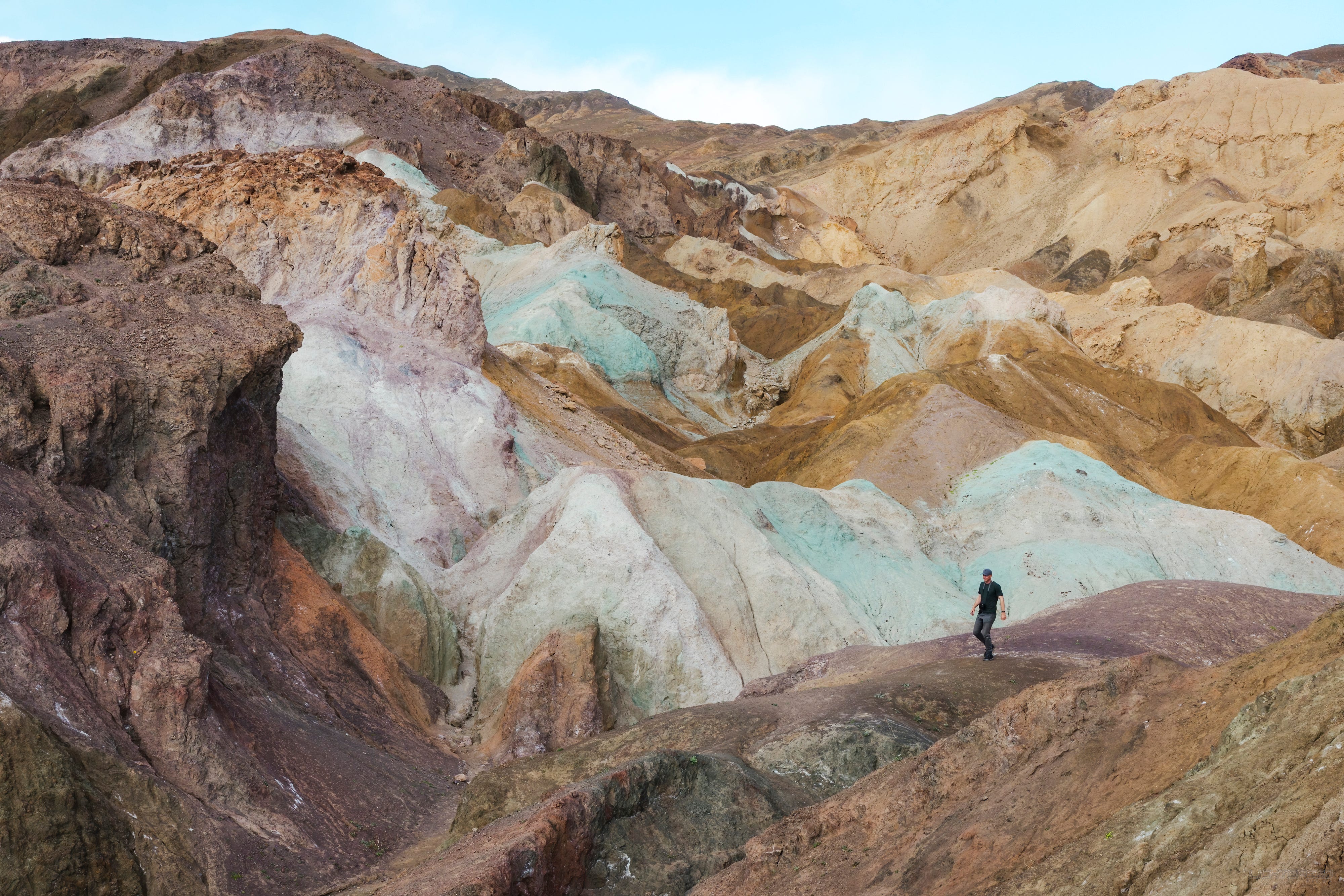
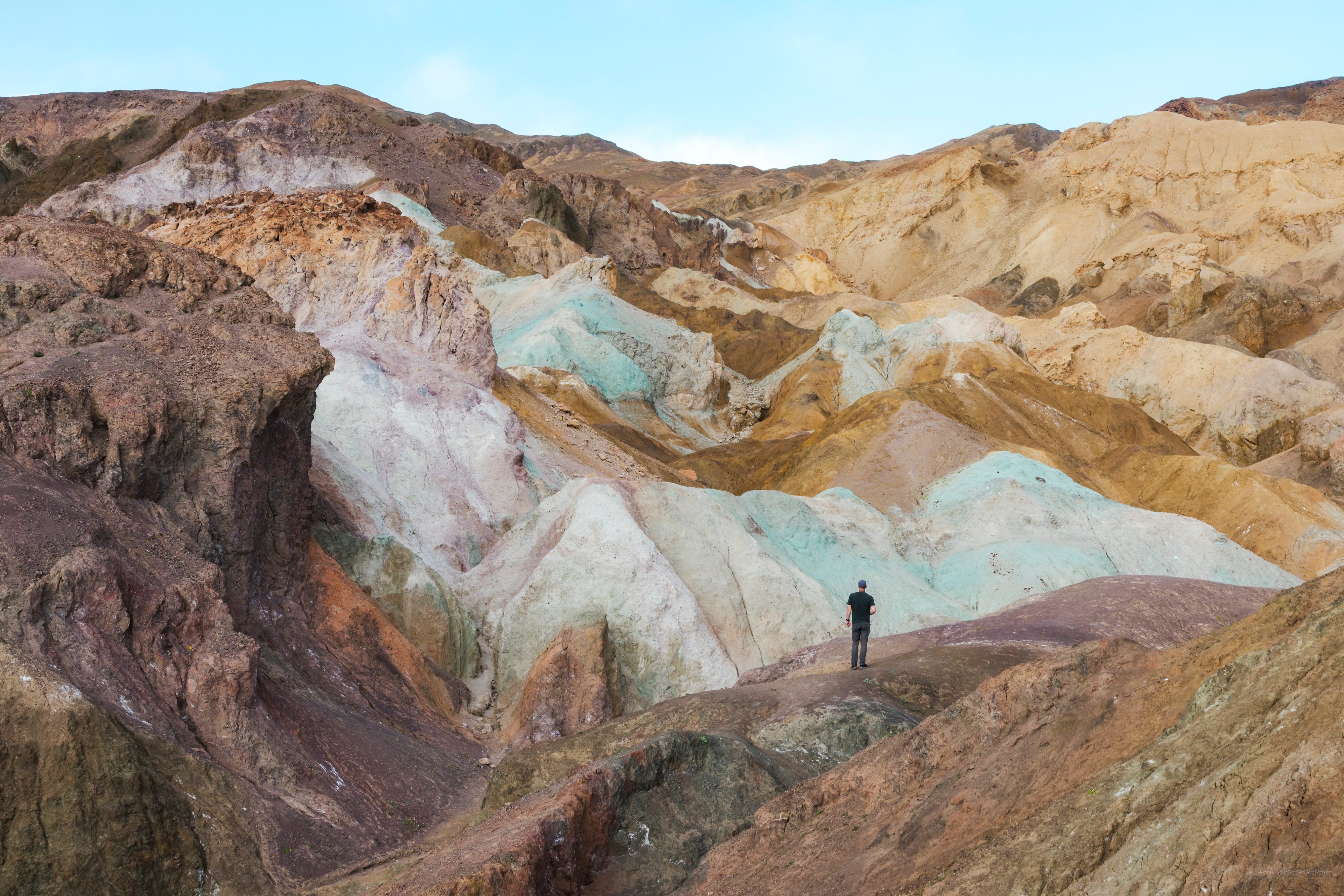
This is one of my favorite things in Death Valley and honestly one of the coolest drives I have done anywhere. It feels like driving through Cars Land at California Adventure. Except, you know, it’s real. You are moving through these mountain formations with wild colors and shapes, and you can stop and get out and explore on foot.
Artist’s Palette is where the colors really concentrate. That is where I spent the most time exploring and shooting. The colors are something else. There’s a small pullout at Artist’s Palette.
The most ideal time to be here is right after rain because the colors in the hills get much brighter. We missed rain by a day, and while it was still incredible, I know it would have been next level with some moisture and fresh light on it. When the hills are in full shade the color looks muted. You want some direct light on it, or clouds diffusing the sun just enough.
The main color section gets busy. Sage and I ended up hiking away from the main pullout to find our own spot.
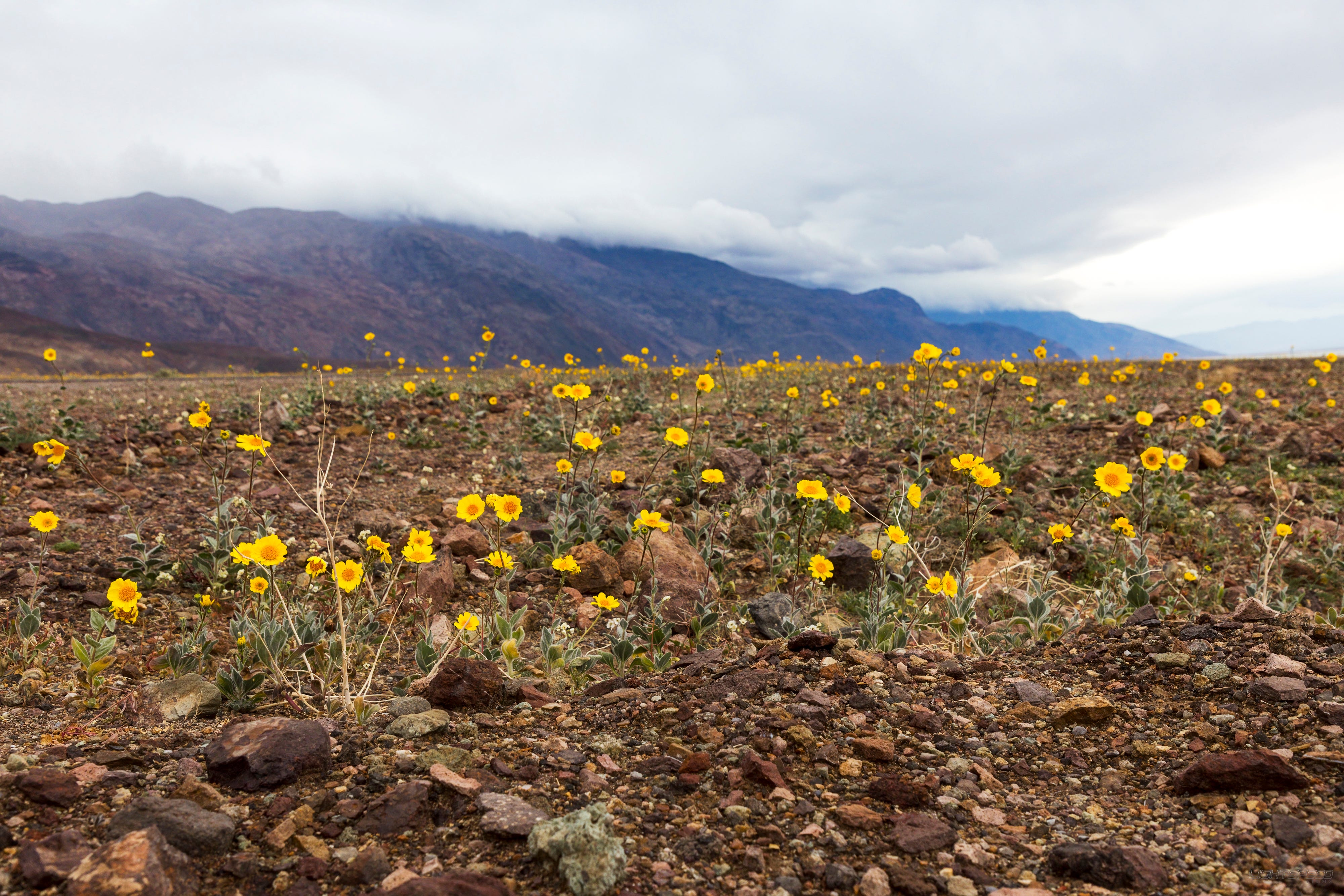
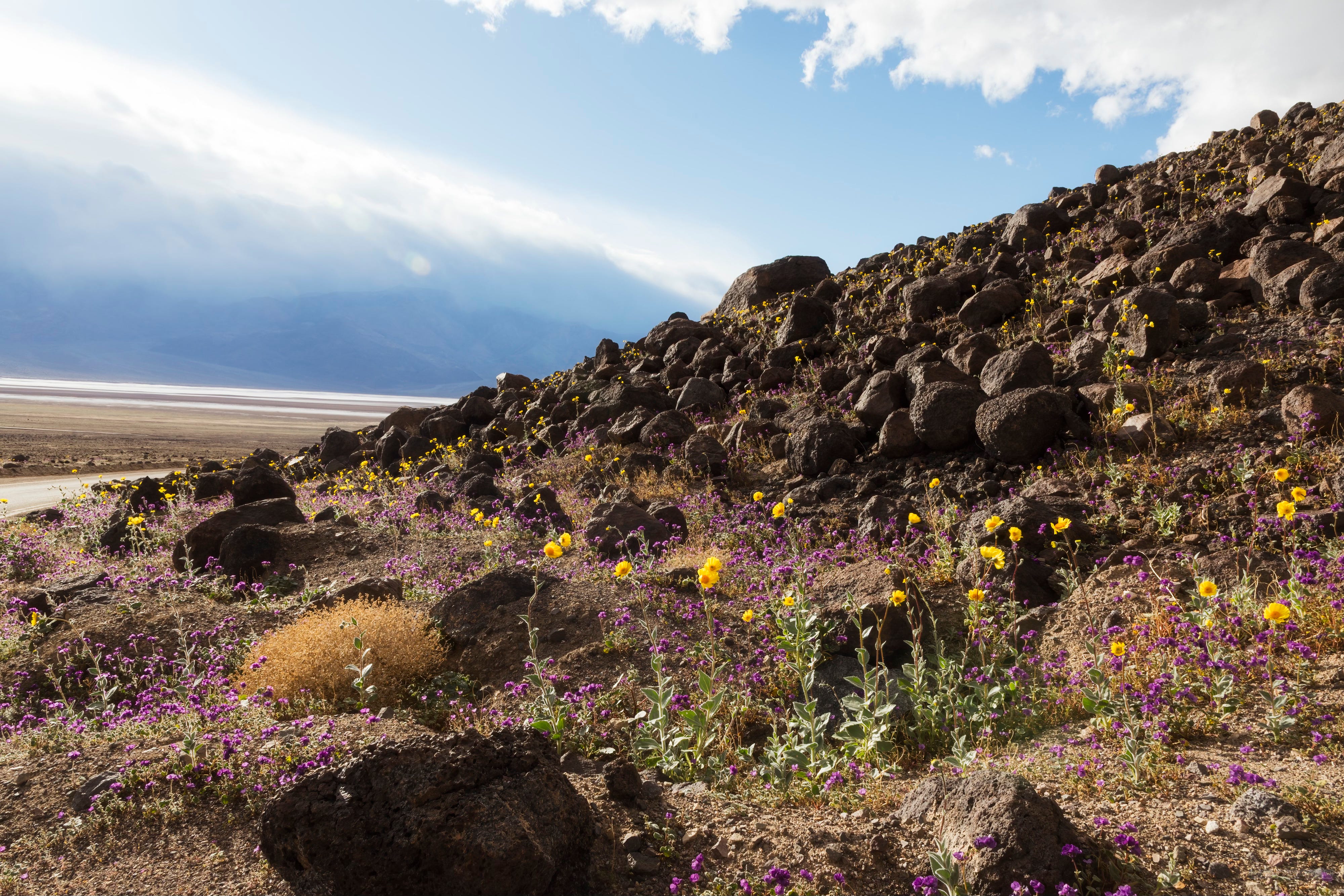
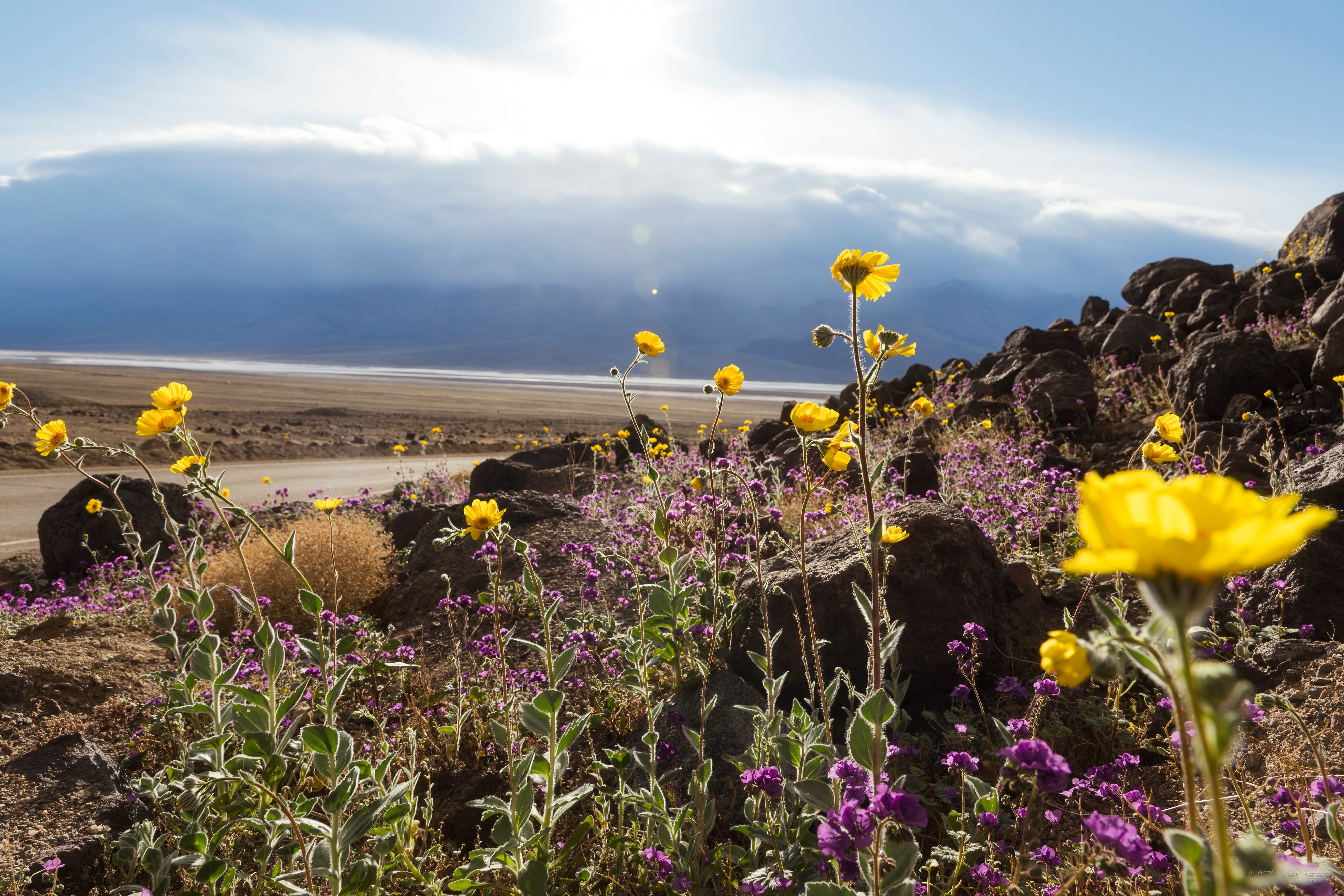
The rest of the drive is also where we saw some of the best of the super bloom.
Gear
I mainly used 24–105mm for the hillside colors
Wide for the full drive and mountain formations
Mosaic Canyon
On my list for next time. From everything I have seen it looks similar to Golden Canyon, those sculpted walls and narrow passages, but with its own character. We had to choose and Golden Canyon won on this trip simply because of time. That’s the thing with Death Valley. There are endless side quests. Other dune systems off the beaten path, trails branching off trails, drives that pull you farther in than you planned. It reminds me of Yosemite in that way. The adventure feels unlimited. Every trip reveals something new.
Super Bloom
The super bloom could be found all across the valley floor. Some of the best variety we saw was near Beatty Junction and along Artist’s Drive.


Watch the Super Bloom on Instagram:
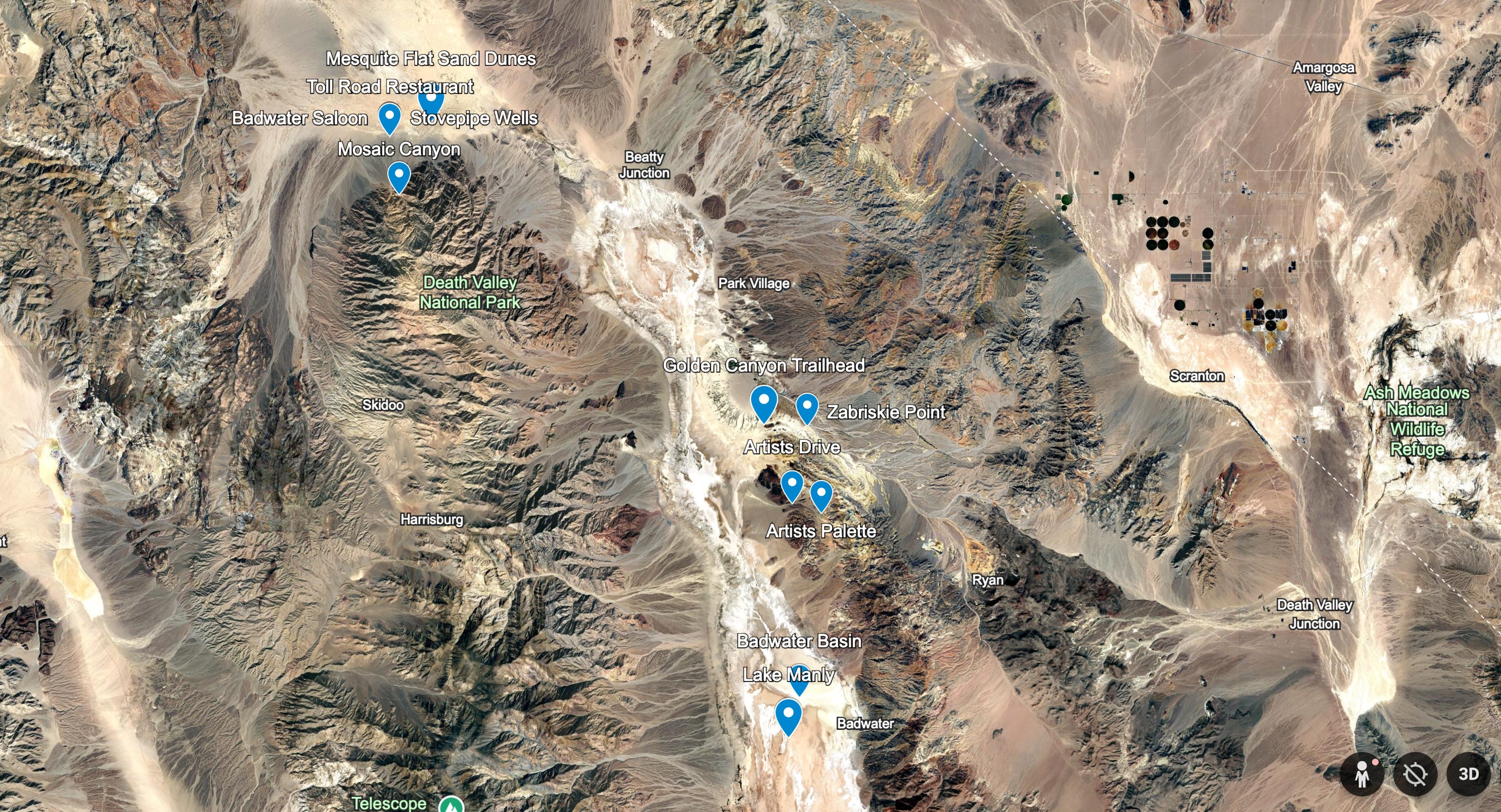
All locations are pinned. View the full map here.
Gear
My go-to for most of this trip was a 24-105. I also leaned on the 16-35. I shoot with a Canon R3, which I love for its low light performance. That matters for night photography and for early morning in challenging conditions. The megapixels are not high but there are always trade-offs. Coming back, I’ll probably play more with my 70-200, especially around the Dunes, and use some wider, fast primes for night photography.
Dogs
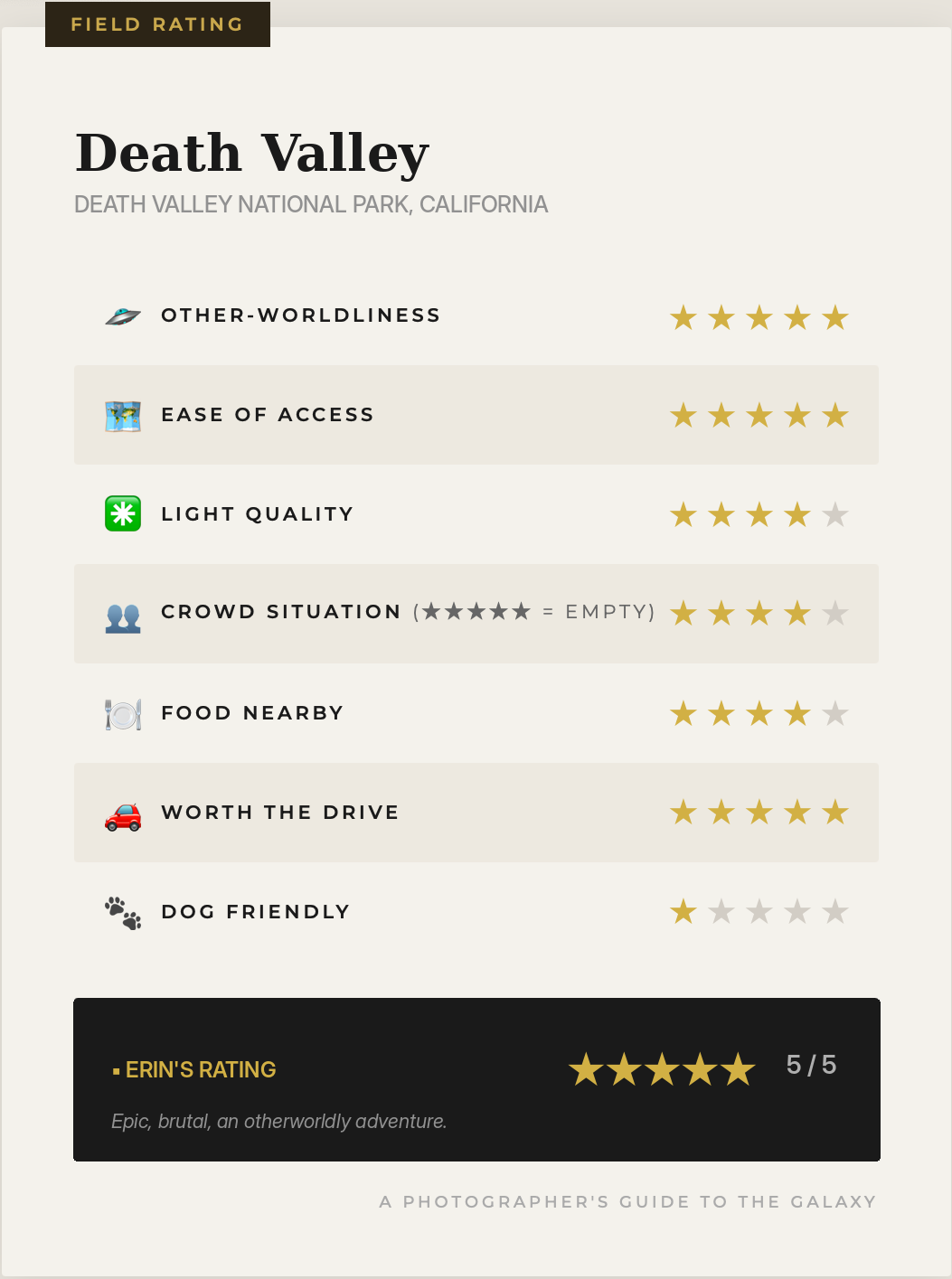
Dogs are allowed in developed areas, campgrounds, parking areas, and along roads, but not on trails. If you are planning to hike at all, I would recommend leaving your dog at home.
Death Valley is a place where you want the freedom to get out and explore, and dogs make that a lot more limiting here.
That said, Louie came with us in February and had a great time riding around in the car while we explored. On our first visit, February 16 through 18, temperatures were in the 50s to high 60s, totally manageable for short stops. When we passed back through on the 27th, it was 90 degrees by mid-morning. Just 11 days later.
So I’d recommend winter only. Check the weather. Bring more water than you think you need. And only bring your dog if they will not be left in the car for any meaningful stretch of time. It’s just too hot.
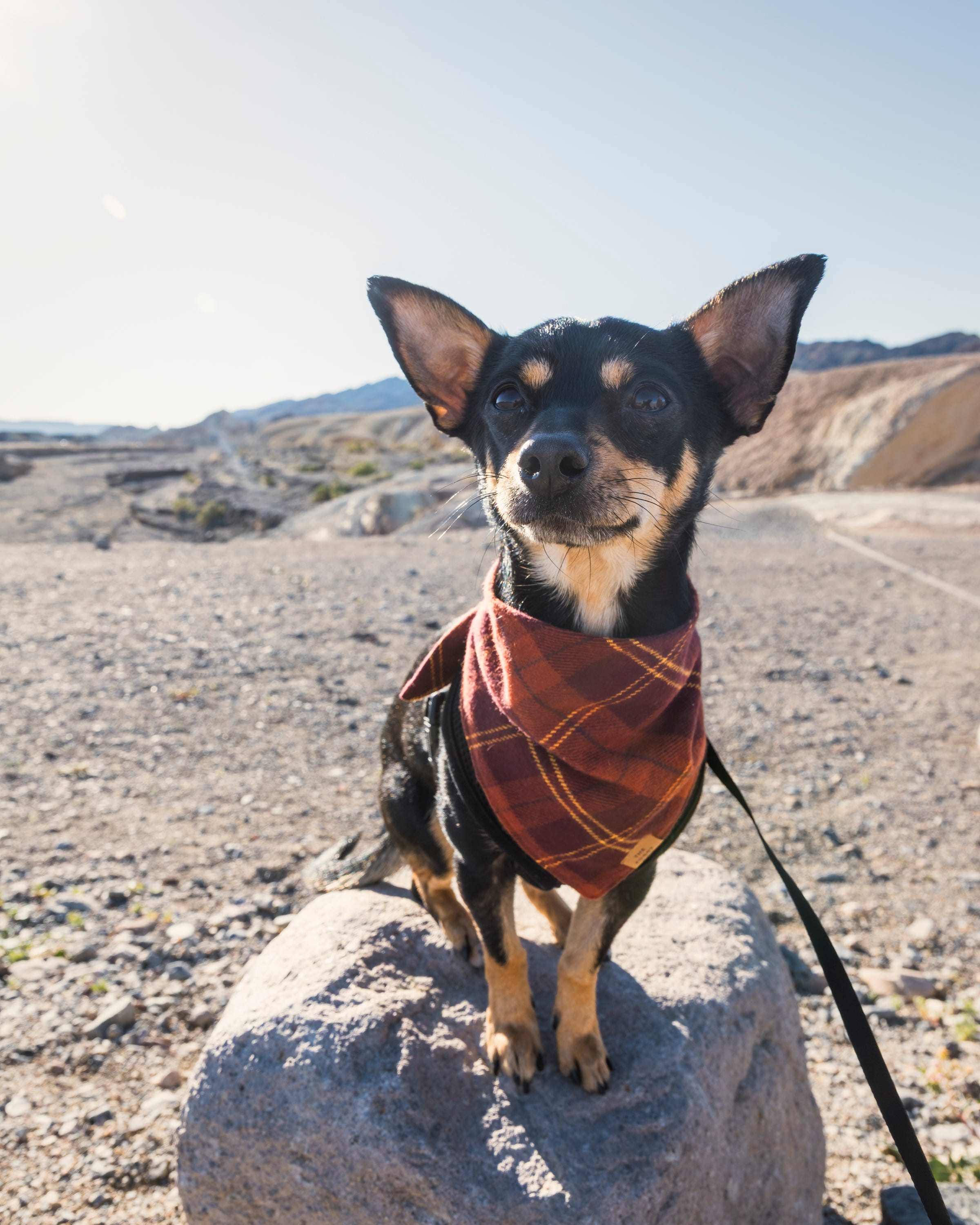
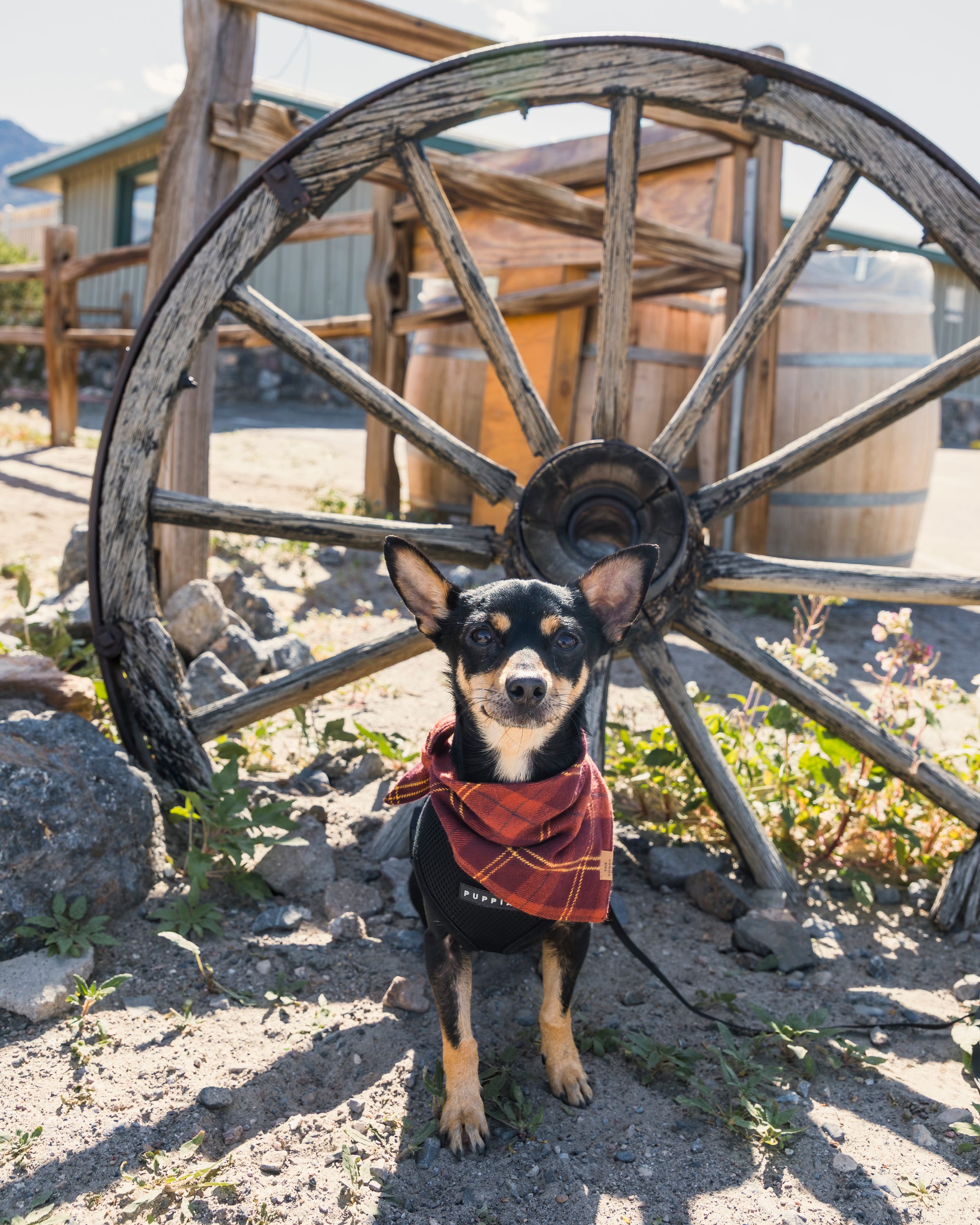
Watch Louie in Death Valley on Instagram:
Food / Recovery Stop
If you shoot sunrise at the dunes, the breakfast buffet at Toll Road Restaurant in Stovepipe Wells was surprisingly amazing.
Great food and exactly what you want after an early morning out in the wind and sand.
Right next door, the Badwater Saloon is also a great place to cool off, regroup, or wait out the heat. Same kitchen. Whatever is happening back there is working.
Where to Stay
Hotels inside the park are expensive, but the access is hard to beat.
The Inn at Death Valley is the higher-end option. Beautiful, but pricey.
The Ranch at Death Valley is the more casual sister property.
Stovepipe Wells Village is often one of the more affordable places to stay inside the park and puts you close to several key spots.
We stayed in Pahrump, Nevada at a dog friendly Holiday Inn Express because it was about four times cheaper. That worked, but if you want to shoot sunrise, you are adding about an hour and a half of driving before first light.
Next time, I’d probably splurge on at least one night inside the park.
If temperatures are reasonable, camping is also worth considering. Furnace Creek Campground takes reservations and is one of the more popular options.
More Death Valley to come. This place deserves a return trip and I will post a part 2. I never got my night shoot out here. The clouds had other plans on both visits, and Death Valley has some of the darkest skies in the country. That alone is worth going back for. Part 2 will cover Mosaic Canyon, night photography, and everything else I did not get to on this trip. Leave a comment for anything else you’d like me to cover.