

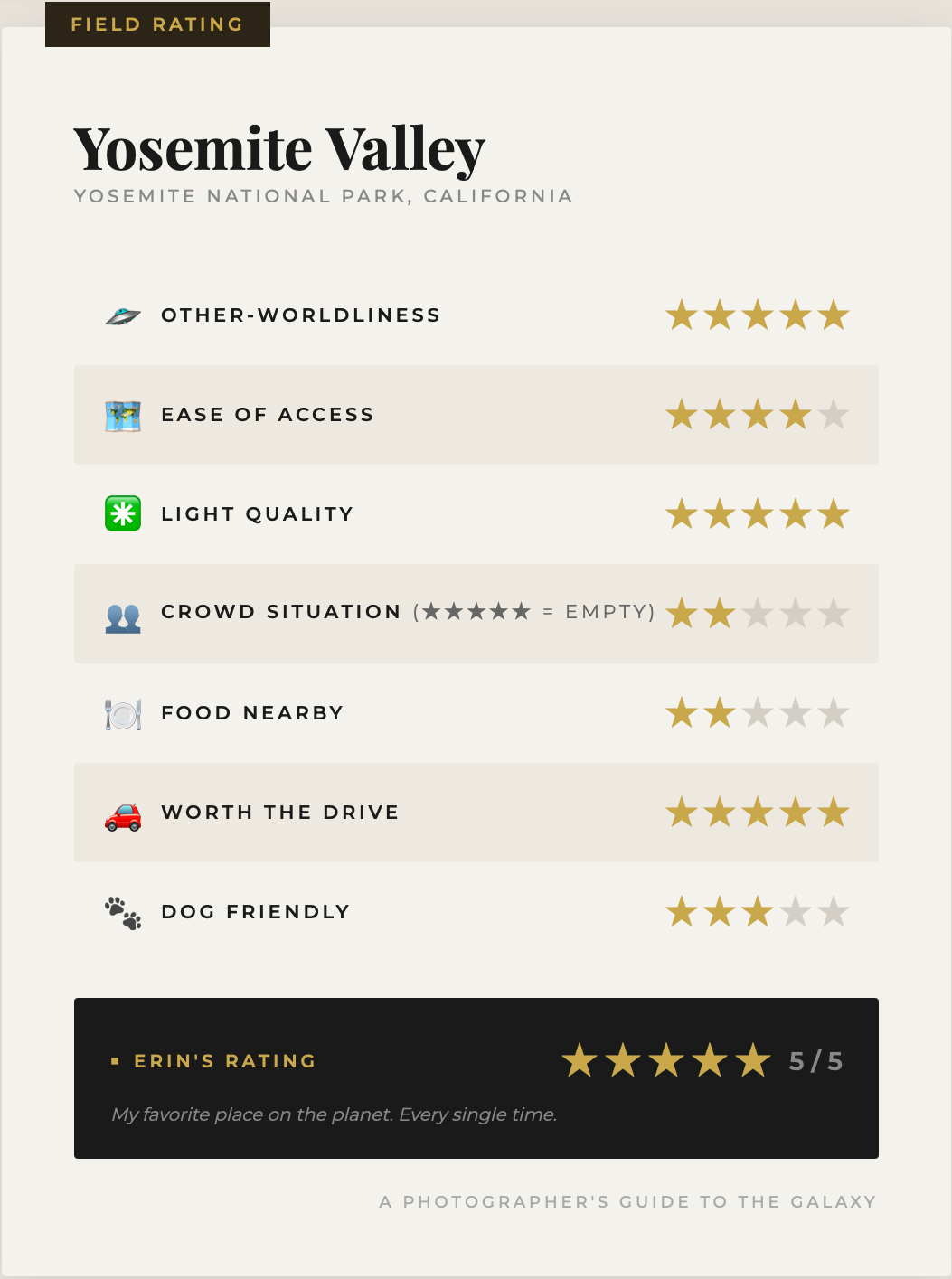
Yosemite is my favorite place on the planet.
I’ve been here more than 50 times over the last 14 years, and every trip still feels unique. New light. New weather. New stories. Some of the most iconic images in photography history were made in this valley, and somehow it still manages to surprise you. No photo seems to truly capture this place.
For photographers, Yosemite is basically an unlimited playground. Granite walls, waterfalls, reflections, storms, fall color, snow, and some of the best light anywhere in the world.
This guide covers how I’d spend 48 hours in the valley.
Before we get into it, I made this video. Nearly 10,000 still images from multiple November visits in 2024 and 2025. Everything I'm about to describe, this is what it looks like.
Quick Reference | The Full Story below
Quick Reference
Time of Year
Skip summer. The valley loop is only about 12 miles long and traffic can turn it into a multi-hour crawl.
October through May is the sweet spot.
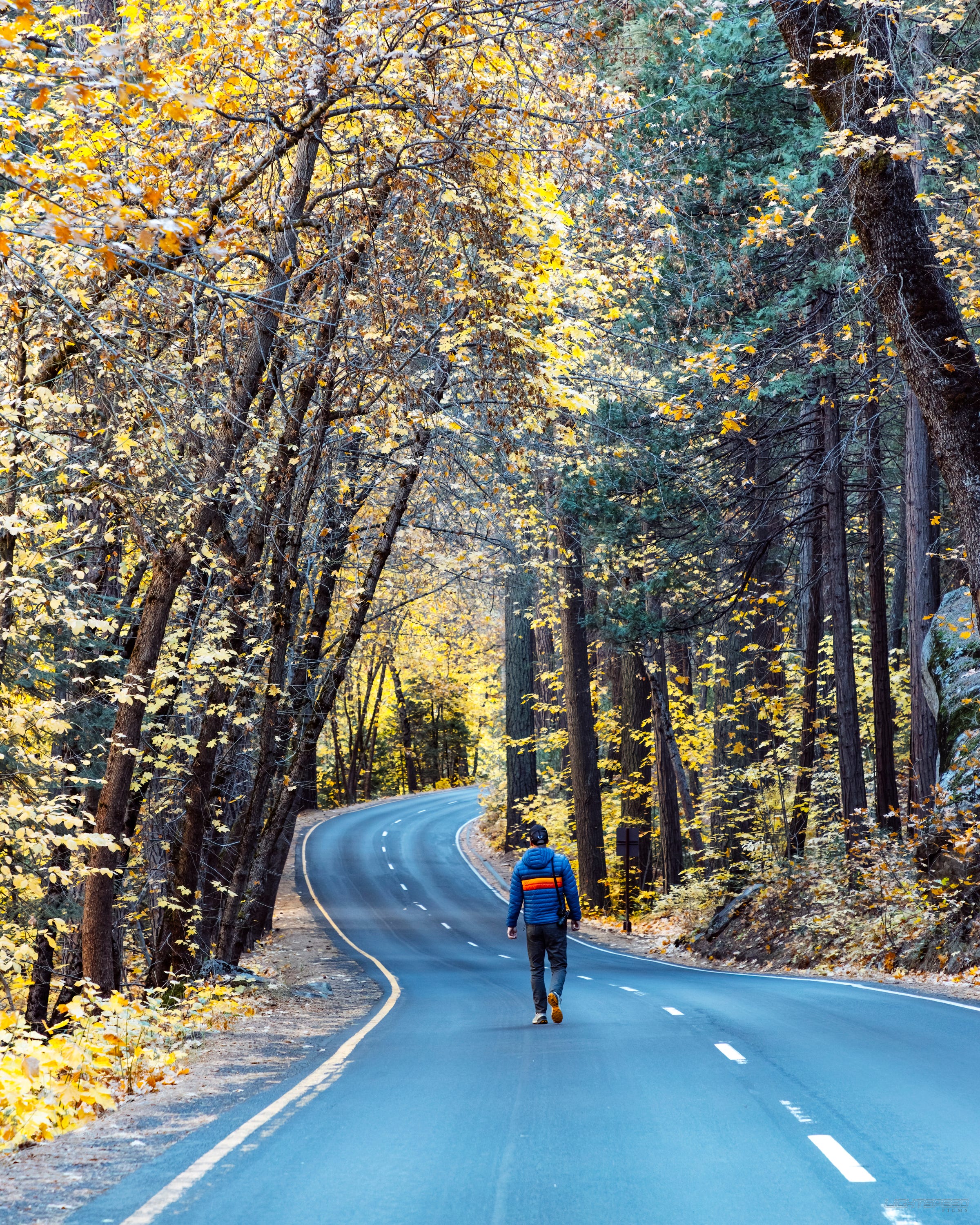
November is my favorite. Fall colors, moody weather, potential storms and snow.
April and May: snowmelt kicks in and every waterfall in the valley is running.
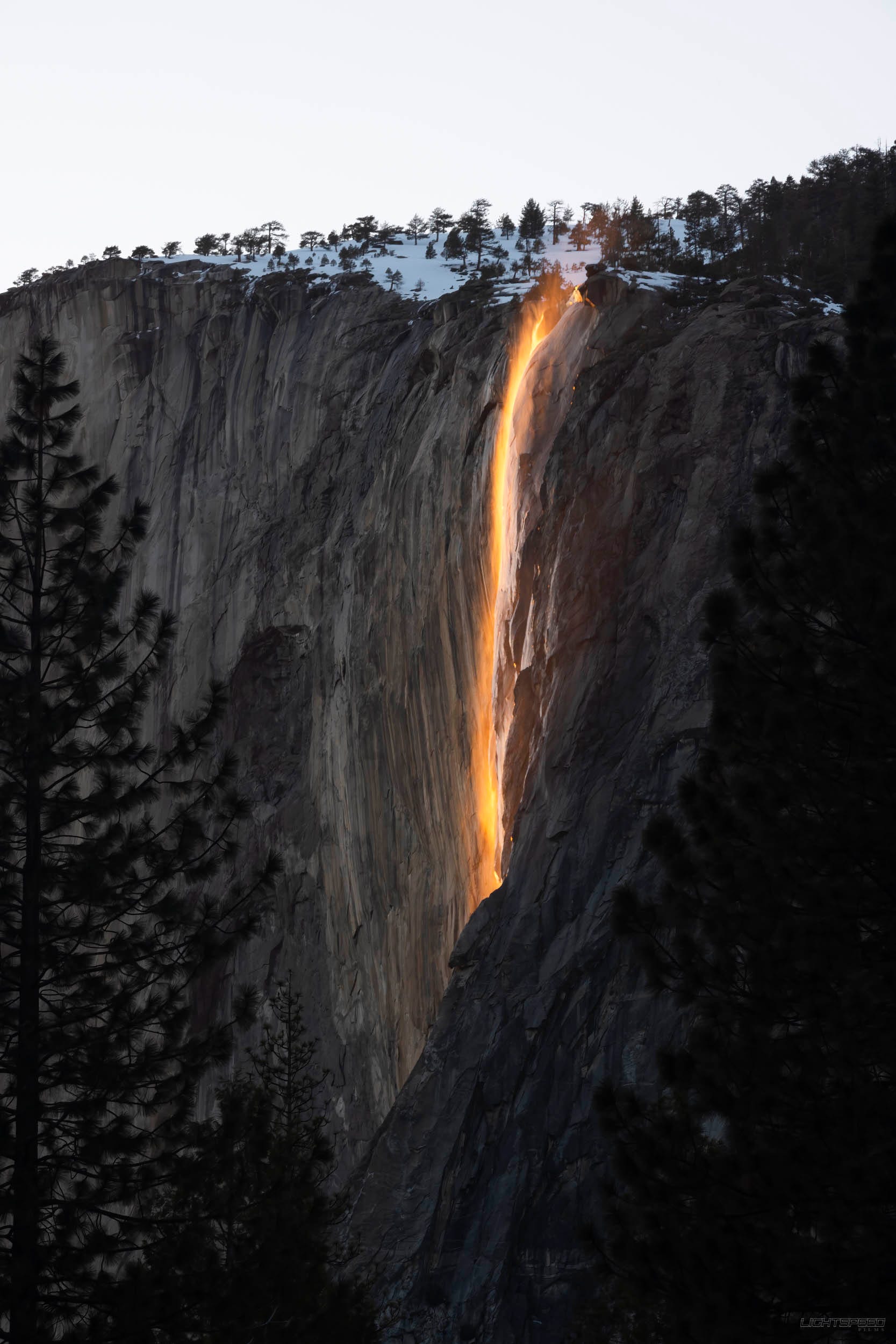
December through February: winter wonderland. Firefall happens in February, weather and water dependent.
Time of Day
You’re in a valley. You never actually see the sun rise or set.
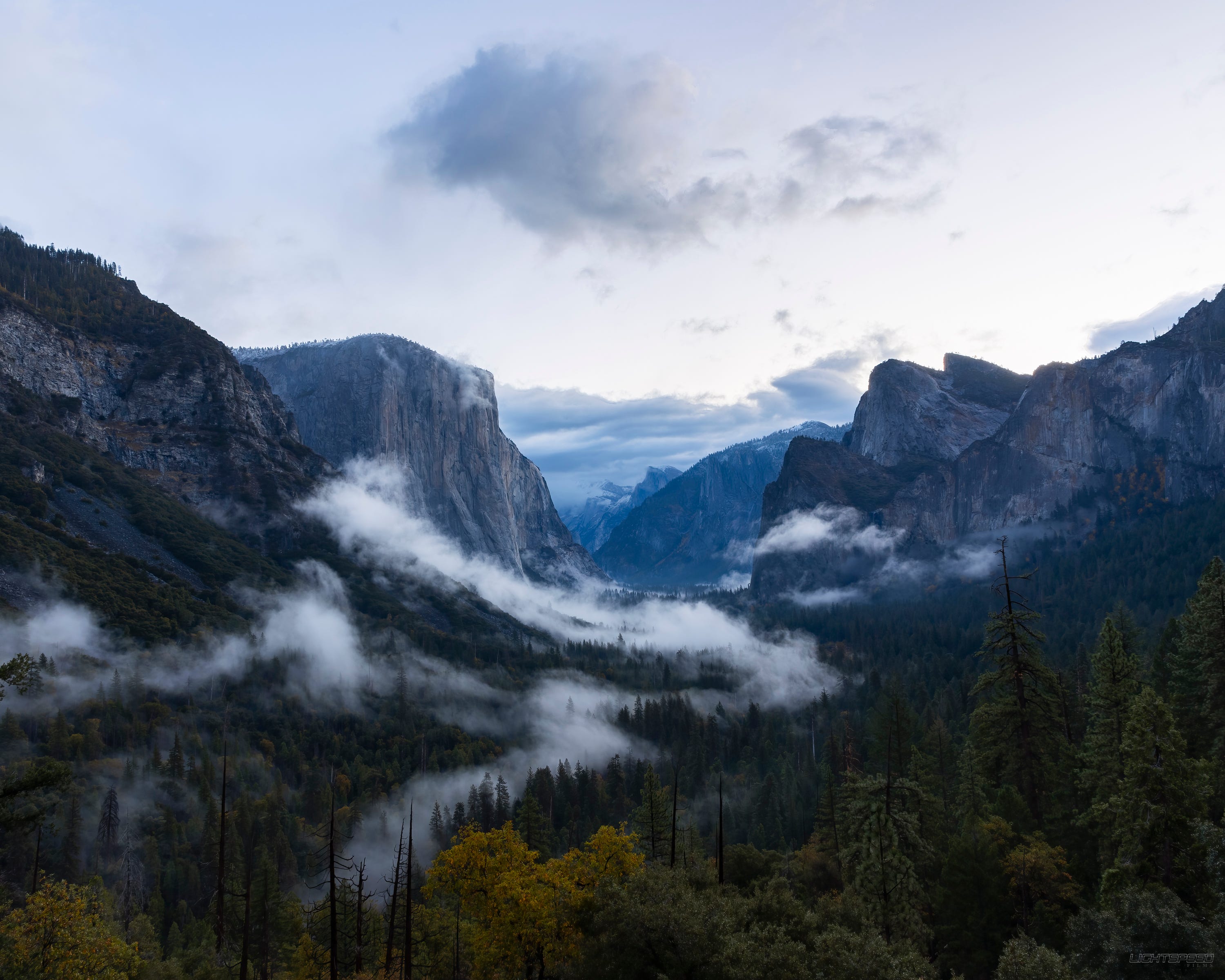
Tunnel View: arrive 30 minutes before sunrise. Non-negotiable.
Swinging Bridge: pre-sunrise for color and reflections on the Merced River.
Sentinel Bridge: 1 to 2 hours after sunrise.
Bridalveil Fall: late afternoon light is ideal.
Half Dome last light: Cook’s Meadow or Curry Village (Stoneman) Meadow at sunset.
Valley View: just after sunrise on your way out.
Gear to Bring
Wide angle (16 to 35mm): Tunnel View, Swinging Bridge, Valley View
24 to 105mm: versatile workhorse for falls and meadows
70 to 200mm: last light on Half Dome, closeups on waterfalls, Tunnel view
Tripod: everywhere
Access
Timed entry reservations required in peak season. Check nps.gov before you go.
Glacier Point road closes in winter, typically November through April.
Most valley locations are walkable once you’re parked.
Free EV charging in the park
Crowd Strategy
Off-season is the whole strategy. Summers are a circus.
Weekdays over weekends, always.
Pre-sunrise arrivals solve most crowd problems at the iconic spots.